Reframing Palliative Care: How University Medical Center New Orleans Helps Patients Live Well with Serious and Chronic Illness
- Category: Palliative Care
- Posted On:

November is National Hospice and Palliative Care Month. In recognition of this month, University Medical Center New Orleans is highlighting the importance of Palliative Medicine, a specialty focused on helping patients and families live well while navigating serious illness by emphasizing quality of life, comfort, and compassionate support. Under the leadership of Sonia Malhotra, MD, the program demonstrates how Palliative Medicine can profoundly improve the lives of patients and families.
When Dr. Malhotra established the Palliative Care Program at University Medical Center in 2017, her goal was simple but transformative: to normalize conversations around serious and chronic illnesses and show how Palliative Medicine can improve the quality of life for patients and their families.
“I was brought back to New Orleans 10 years ago to help build Palliative Medicine for this region,” said Dr. Malhotra, founder and medical director of the Palliative Care Program at University Medical Center. “My goal was to normalize what this service can do for people. It’s not just the ‘sad-hand service.’ We call ourselves Palliative Medicine because we are a legitimate subspecialty focused on caring for people living with serious illness—helping them feel comfortable and improving their quality of life. We treat the whole person, addressing their physical, emotional, spiritual, and psychosocial needs.”
Dr. Malhotra’s drive to create the Palliative Care Program was deeply personal, rooted in a moment early in her medical career that stayed with her ever since. While completing her internal medicine and pediatrics residency at Tulane University, Dr. Malhotra cared for a baby in the neonatal intensive care unit (NICU) whose parents were too heartbroken to be present as their child took his final breaths.
“I remember holding that baby and rocking him until he died in my arms,” she recalled. “From that point on, I knew we could do more to comfort people. Throughout my training, I saw that families weren’t being prepared for death, dying, or even living with serious illness. I wanted to change that.”
That experience led her to complete a dual fellowship in adult and pediatric Palliative Care at the University of Pittsburgh before returning to New Orleans to create a thriving multidisciplinary program.
Changing the Perception of Palliative Care
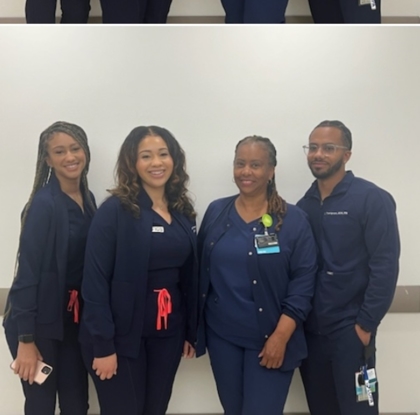
For the Palliative Medicine and Supportive Care team, palliative care isn’t about sadness or surrender—it’s about living well. Too often, online images portray somber images of hands clasped in sorrow. The team at University Medical Center aims to change that perception by demonstrating how Palliative Medicine helps people live more fully while managing serious or chronic illness. It’s about reframing each phase of life and ensuring patients receive the comfort, support, and dignity they deserve.
The care team helps patients manage pain and symptoms, communicate their goals, and receive comprehensive support, whether they’re living with advanced heart failure, cancer, or lung disease.
“If you can put the words ‘advanced’ or ‘potentially life-limiting’ in front of a disease, those patients are appropriate for palliative care,” Dr. Malhotra explained.
The Palliative Care Program is guided by three key tenets:
- Pain and Symptom Management – Addressing symptoms that interfere with daily life.
- Communication and Advance Care Planning – Helping patients and families articulate their values, priorities, and care preferences.
- Emotional and Psychosocial Support – Providing therapy and counseling for patients and their loved ones through licensed clinical social workers and mental-health specialists.
Together, these principles help patients live comfortably with serious illness and prepare for what comes next.
Supporting Patients and Families Every Step of the Way
At University Medical Center, the Palliative Care Program is a team effort built on compassion, collaboration, and a shared commitment to helping patients live well while managing serious illness.
The program includes five physicians, two physician assistants, one nurse practitioner, two social workers, a nurse navigator, a pharmacist, four fellows who are training to be Palliative Medicine physicians, and a hospital chaplain. Together, they care for patients in both the hospital and the outpatient clinic, working closely with referring specialists in oncology, cardiology, pulmonology, and trauma care to ensure continuity and comfort.
“When we receive an inpatient consult, our goal is to see the patient or family within 24 hours,” explained Dr. Malhotra. “That consultation might involve a physician, nurse practitioner, social worker, chaplain, or pharmacist—whatever is needed for that patient’s care.”
Patients are often referred to the inpatient Palliative Medicine service by their hospital physician for symptom management, complex communication needs, or emotional support during hospitalization. Others are referred to the outpatient Palliative Care clinic, where they receive ongoing support to help manage symptoms and improve quality of life while continuing treatment for their underlying condition.
Overcoming Barriers to Care
For many patients, one of the greatest challenges is care coordination and medical advocacy. “When dealing with a life-limiting illness, patients are often juggling multiple specialists and complex regimens,” said Nurse Practitioner Cinnamon Tucker, DNP, APRN, FNP-C, ACHPN. “Many need intensive care coordination and support to understand and follow through with their medical care and treatment.”
“Trust, rapport, and mutual respect form the foundation of every patient relationship,” Tucker said. “My patients know I’m fighting with them and for them. The most rewarding part of my work is helping them feel better—physically and emotionally. When you’re hoping for another day, you want that day to be a good day.”
Tucker also praised the essential role of nurse navigator Stephanie Demps, RN, in maintaining continuity between the hospital and home. As the main point of contact for many patients, Demps helps coordinate appointments, follow-up care, and medication needs, ensuring that no detail falls through the cracks. “Stephanie is the backbone of our outpatient team,” Tucker said. “She ensures patients have a human connection—not just a call-center representative—and can triage needs or escalate concerns immediately.”
Care coordination doesn’t end once patients leave the hospital. The nurse navigator and social worker check in weekly or biweekly to ensure medications, transportation, and insurance authorizations are in order. They also connect patients to home-based palliative care teams and hospice partners when additional support is needed.
“There’s a common misconception that all of our patients die,” Dr. Malhotra said. “In reality, many graduate from our clinic after achieving remission or stable disease and go on to lead productive, fulfilling lives.”
A Collaborative, Whole-Person Approach
Beyond managing pain and physical symptoms, the Palliative Care team at University Medical Center looks at the whole person—their emotional, spiritual, and social needs. The team meets regularly to discuss patients’ care plans, identify barriers, and coordinate support.
Each team member plays a vital role:
• Physicians and Physician Assistants: Lead the medical management of patients, addressing complex symptoms and coordinating personalized care plans with referring specialists.
• Nurse Practitioner: Provides direct patient care, focusing on symptom relief, education, and ongoing follow-up for patients in both inpatient and outpatient settings.
• Nurse Navigator: Helps patients and families transition smoothly between hospital, clinic, and home—checking on medications, scheduling, and ensuring no barriers to care.
• Social Workers: Offer emotional support, connect patients and families with community and financial resources, and provide therapy and bereavement counseling as needed.
• Pharmacist: Collaborates with the team to ensure safe and effective medication management tailored to each patient’s needs.
• Hospital Chaplain: Supports the spiritual well-being of patients and families, working closely with clergy of all faiths to honor individual beliefs and preferences.
Physician Assistant Lauren Davies, PA-C, plays a key role in bridging medical management and communication between patients, families, and multidisciplinary teams. “I follow patients with serious illnesses or complex traumas who are in the hospital to address symptoms such as pain and nausea, goals of care, and advance care planning,” Davies explained. “Since these patients are dealing with a change in their health status, I often include family in the encounter. When following patients for symptoms, I provide recommendations on medications and closely monitor them throughout their admission to ensure symptoms are improving.”
To ensure comprehensive and coordinated care, Davies works closely with each patient’s attending physician and consulting specialists. “I think it’s important for treatment teams to work in collaboration,” she said. “I communicate regularly with my patients’ primary teams and consultants regarding their diagnosis, treatment plan, and prognostication. When important decisions or updates arise, I often arrange multi-team goals of care meetings with the patient, their family, and the care teams. It’s an efficient way for everyone to receive updates, ask questions, and determine together which pathway best aligns with the patient’s wishes.”
Maxine Kimbrell, LCSW, a clinical social worker, emphasizes that emotional and psychological support are integral components of Palliative Care. She provides therapeutic counseling and emotional support to patients during hospitalization and through telehealth follow-up appointments after discharge.
“While my main focus is on the patients themselves, I also provide emotional support to family members,” Kimbrell explained. “This may include sitting at the bedside and helping them process difficult emotions, concerns about diagnosis, treatment, prognosis, or what to expect after discharge.”
Families, she noted, often carry an immense emotional burden—the stress of caregiving, the heartache of watching a loved one suffer, and the uncertainty that comes with physical or cognitive decline. That support doesn’t stop when a patient leaves the hospital. Kimbrell continues to follow families after discharge, helping them navigate grief and adjustment over time.
“Generally, for both patients and families, the main issues we see are anxiety, depression, and grief,” she said. “Grief counseling isn’t just for families after a loved one passes away. It’s also for patients themselves, who are grieving multiple losses. Losses can include good health, physical abilities, independence, sense of control, financial security, housing, or even relationships.”
To help patients and families cope, Kimbrell draws on evidence-based methods such as cognitive behavioral therapy (CBT), anxiety management training, and grief processing and integration. Through these approaches, she helps them find ways to adapt, maintain hope, and regain a sense of emotional stability during uncertain times.
Looking Ahead
Dr. Malhotra and her team are continuing to expand the reach of Palliative Medicine across the region. In addition to serving patients at University Medical Center, the program recently began offering inpatient consultations at East Jefferson General Hospital, with plans to integrate palliative care services into more specialty clinics in the future.
By growing these services, Dr. Malhotra hopes to make palliative care more accessible to patients and families who can benefit from its support early in their care journey—not just at the end of life, but throughout the process of living with serious illness.
“Our hope is to make palliative care available to anyone who needs it, wherever they are,” Dr. Malhotra said. “It’s about helping people live their best possible life, no matter what stage they’re in.”
For more information about Palliative Care Services at University Medical Center New Orleans, visit Hospice & Palliative Care | University Medical Center New Orleans