From Heart Transplant Recipient to University Medical Center Trauma Nurse: Max Oertling Gets a Second Chance to Give Back
- Category: Transplant, Organ Donation
- Posted On:

Max Oertling’s life began with a failing heart. Born by scheduled Caesarean section, he struggled to feed. By day three, his parents—both pediatricians—knew something was wrong. After a heart murmur was detected, further evaluation revealed that a virus his mother contracted during pregnancy had impacted the development of his heart in utero.
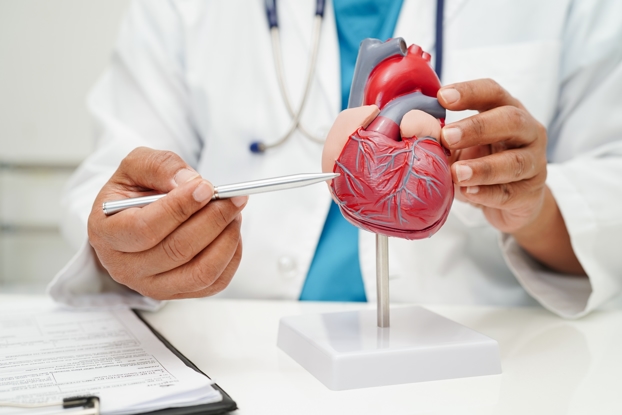
When he was born, he was brought to the Neonatal Intensive Care Unit (NICU) immediately and was diagnosed with three large ventricular septal defects, a small left ventricle, and severely limited heart function.
Doctors tried various procedures during the first year of Max’s life but none of them worked long term. At nine months old, his parents and doctors agreed Max needed a heart transplant.
Now, the only thing left to do was to wait and pray.
After just three months, Max’s parents got the call. A few weeks after his first birthday, Max received a new heart—made possible by a family, somewhere in the world, facing unimaginable loss. In the midst of their grief, they chose to give the gift of life.
And there isn’t a day when the value of the gift he received 27 years ago is forgotten, said Max, now 28. “I want my donor family to know that I never take a day for granted and that I'm so thankful for this wonderful gift of life,” Max said.
April is National Donate Life Month
Across the United States, more than 100,000 people are waiting for a transplant, according to United Network for Organ Sharing (UNOS). In fact, an average of 13 people die each day because an organ did not become available in time. One donor can save up to eight lives with organs and up to 75 more people with tissue donations.
Every April, Donate Life America observes National Donate Life Month, alongside partner organizations including University Medical Center New Orleans and the Louisiana Organ Procurement Agency (LOPA). Established in 2003, the observance aims to raise awareness about the importance of organ, eye, and tissue donation. It is a time not only to educate the public about giving the gift of life, but also to honor donor families and encourage individuals to register as organ donors.
People who wish to donate their organs to save lives can make their intentions known while they are still alive. In the absence of a legally documented decision, family members of those who have passed may also choose to donate their loved one’s organs, as long as it does not conflict with the individual’s expressed wishes.
Hospitals and organizations like University Medical Center and LOPA mark the month by publicizing donor honor walks, flag raisings, and community outreach. A donor honor walk occurs when staff members line the hospital hallway, standing in reverence as the deceased is ceremonially rolled passed. Afterward, hospital staff and the family’s loved ones and friends gather around the hospital flagpole as clergy members share a few words and everyone marks the moment in silence and dignity, said Dan P. Kiff, MN, RN, director of Trauma Services at the Norman E. McSwain, Jr. MD, Spirit of Charity Trauma Center at University Medical Center, noting organ donors are the hospital’s “heroes.”
“These are ways we honor our heroes,” he said. “They have lost their lives but they are giving priceless gifts of life to others. It’s so hard to watch but organ donation is the only good thing that can come out of the tragedy.”
How donation works in Louisiana
In Louisiana, more than 1,800 people are currently waiting for an organ. In 2024, 303 donors made 883 transplants possible statewide, according to LOPA. More than half of residents of the Bayou State are registered donors, Yet, demand still exceeds supply.
At Level I trauma centers like University Medical Center, professionals work closely with LOPA to support donor families—helping them understand the process and feel as comfortable as possible in making the decision to give the gift of life.
When a patient reaches the point where donation is possible, the hospital notifies LOPA and representatives of the organization evaluate medical suitability, confirm donor registration, and supports family members who are making what might feel like an impossible choice. If the individual is registered to be an organ donor, that decision serves as legal consent. If not, trained coordinators speak with the family.
Organs are matched through the national system managed by United Network for Organ Sharing, based on urgency, compatibility, and time on the waiting list. Surgical teams recover and transport organs under strict timelines.
LOPA coordinates each step, turning a single donor into multiple transplants.
Life carried forward
Max did not choose his diagnosis or the moment he needed a transplant. He chose what came after.
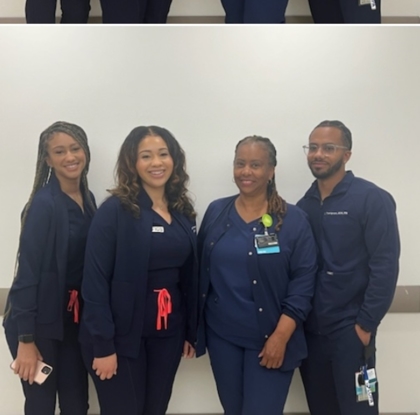
Today, Max is a nurse at University Medical Center. He has spent four years in the trauma center. His life exists because someone chose to donate a heart. Working in an emergency department is an environment defined by urgency, risk, and consequence. Max has chosen to show up for patients on the worst day of their lives, the same way others once showed up for him.
His story reflects a system that depends on people saying “yes” to organ donation. National Donate Life Month helps to keep this reality visible.
To learn more about the Norman E. McSwain, Jr. MD, Spirit of Charity Trauma Center at University Medical Center in New Orleans, please visit: https://www.lcmchealth.org/university-medical-center-new-orleans/our-services/norman-e-mcswain-jr-md-spirit-of-charity-trauma-/