We are here to help through every step of your prostate cancer diagnosis
and treatment.
What is prostate cancer?
The prostate is a walnut-sized gland located in a man’s abdomen,
beneath the bladder and surrounding the urethra. It is regulated by testosterone
and is where the body produces semen.
Prostate cancer is when abnormal cells grow in the prostate and become
cancerous. It’s one of the most commonly diagnosed cancers in men
across the world and the second leading cause of death in men. More than
330,000 men are diagnosed with Prostate Cancer and more than 30,000 men
pass away from Prostate Cancer annually.
What are the symptoms of prostate cancer?
Early prostate cancer seldom causes symptoms, which is why it’s so
important to stay up to date on recommended cancer screenings. By the
time symptoms start, the cancer may have already spread beyond the prostate,
which makes treatment more difficult. Some of the symptoms to watch out
for include:
Frequent need to urinate, especially at night
Weak or interrupted urine flow
Trouble starting to urinate
Trouble emptying your bladder
Blood in urine or semen
Pain or stiffness in your lower back, hips, or pelvis
Challenges getting an erection
While many of these symptoms can also be caused by other, non-cancer health
problems, it’s still important to see a healthcare provider if you
notice any changes in what’s normal for you and your body.
How is prostate cancer diagnosed?
Prostate cancer is typically diagnosed through a combination of medical
history evaluation, physical examination, and various diagnostic tests.
Diagnosing prostate cancer may include:
Medical History and Physical Examination: The initial step often involves a discussion between the patient and a
healthcare provider to gather information about symptoms, risk factors,
family history, and overall health. A physical examination may also be
performed during this stage.
Prostate-Specific Antigen (PSA) Test: This is a blood test that measures the level of PSA in the bloodstream.
PSA is a protein produced by the prostate gland, and elevated levels can
be an indicator of prostate issues, including cancer.
Imaging Tests: If there are concerns about the prostate, imaging tests, including; transrectal
ultrasound of prostate, prostate MRI, Pet Scan, are often performed.
Prostate Biopsy: If the PSA level is elevated or if there are suspicious findings on imaging,
a prostate biopsy is typically recommended. During a biopsy, a small sample
of prostate tissue is collected for examination under a microscope.
Treatment options for prostate cancer
The best approach to treating prostate cancer depends on your age and the
type of cancer. There are two main approaches to treatment: nonaggressive
treatment and aggressive treatment.
If your cancer is nonaggressive, your provider may recommend active surveillance.
This means having regular check-ups and tests to monitor the cancer, but
not treating it unless it shows signs of growth.
Aggressive treatment for prostate cancer may include:
Surgery:
Prostatectomy is surgery to remove the prostate gland and nearby tissue.
Radiation therapy: Radiation can help kill cancer cells and shrink tumors. It can be given
to you from outside your body or through seeds that are implanted in the
prostate. You may get radiation only or in addition to surgery.
Hormone therapy: This type of therapy lowers testosterone levels, which can help slow
the growth of the prostate cancer.
Chemotherapy: With chemo, a combination of drugs helps kill cancer cells. You can get
chemo by mouth, through a vein, or directly in the tumor.
Immunotherapy: This type of therapy uses the body’s immune system to fight cancer cells.
Bone-directed therapy: This treatment helps slow the spread of prostate cancer to the bones.
It can also help relieve pain if the cancer has already moved to the bones.
Cryotherapy: Liquid nitrogen freezes the cancer cells.
Targeted therapy: This therapy targets the proteins that control how cancer cells grow,
divide, and spread.
If you’ve been diagnosed with prostate cancer, know that you’re
not alone. Our
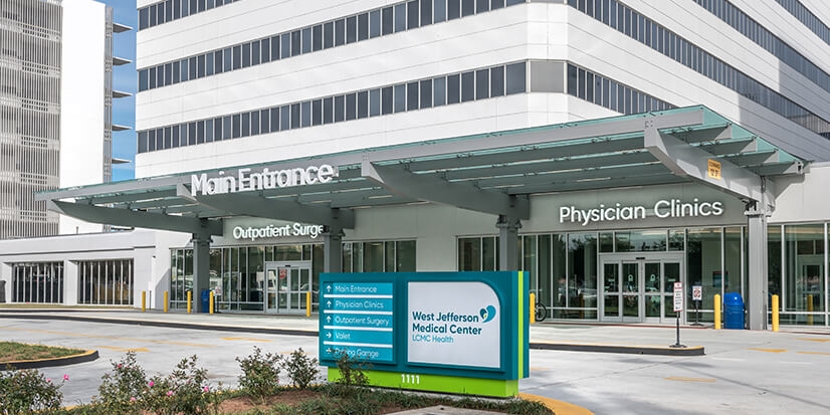
urology team at West Jefferson Medical Center is here to help create a personalized treatment plan designed for your
needs. Contact us today to discuss treatment options.








.jpg)