Did you know that testicular cancer is the most commonly diagnosed cancer
for men ages 15-35? Here’s what you need to know.
What is testicular cancer?
Testicular cancer is cancer that begins in the cells of the testicle.
Testicles are male sex glands, also known as testes or gonads. They’re
located inside a pouch of skin called the scrotum, under the penis. The
testicles make sperm and testosterone, a male hormone that controls the
development of reproductive organs, plus secondary sex characteristics
like body and facial hair.
Though it can occur at any age, testicular cancer is the most commonly
diagnosed cancer for men ages 15-35. Fortunately, it is also one of the
most treatable cancers.
What are the symptoms of testicular cancer?
While symptoms vary from person to person, some of the common signs of
testicular cancer include:
A lump on your testicle (may or may not hurt)
Swelling of a testicle
A feeling of heaviness or aching in the scrotum or abdomen
Swelling in your breasts (rare)
Pain in your lower back, which can also be a sign that the cancer has spread
Shortness of breath, pain in the chest, or a cough, which can be a sign
that the cancer has spread to your lungs
It’s important to note that many of these symptoms can be caused
by other health problems, and it doesn’t always mean you have testicular
cancer. However, it’s still important to see your healthcare provider
as soon as possible if you notice any of these symptoms, just to be safe.
Knowing what’s normal for you and your body is key to early detection
of issues, cancer or otherwise. Perform self-exams regularly to make sure
you catch potential signs of a problem as quickly as possible.
How is testicular cancer diagnosed?
Testicular cancer is typically diagnosed through a combination of medical
history evaluation, physical examination, and various diagnostic tests.
Here are the key steps involved in diagnosing testicular cancer:
Medical History and Physical Examination: The initial step often involves a discussion between the patient and a
healthcare provider to gather information about symptoms, risk factors,
family history, and overall health. The physical examination includes
a careful examination of the testicles to check for any lumps, swelling,
or abnormalities.
Scrotal Ultrasound: If there is suspicion of testicular cancer based on the physical examination
or other symptoms, a scrotal ultrasound is usually performed. This non-invasive
imaging test uses high-frequency sound waves to create detailed images
of the testicles. It can help determine the presence, size, location,
and characteristics of any testicular masses or tumors.
Blood Tests: Blood tests, including measurement of tumor markers, may be ordered. The
most common tumor markers associated with testicular cancer are alpha-fetoprotein
(AFP), human chorionic gonadotropin (hCG), and lactate dehydrogenase (LDH).
Elevated levels of these markers can be indicative of testicular cancer,
although they are not exclusive to it.
CT Scan or Imaging: If testicular cancer is confirmed, additional imaging tests such as CT
scans may be performed to evaluate whether the cancer has spread to nearby
lymph nodes or distant parts of the body. Staging is important for determining
the extent of the cancer and guiding treatment decisions.
Treatment options for testicular cancer
Testicular cancer is often very treatable, when diagnosed and treated early.
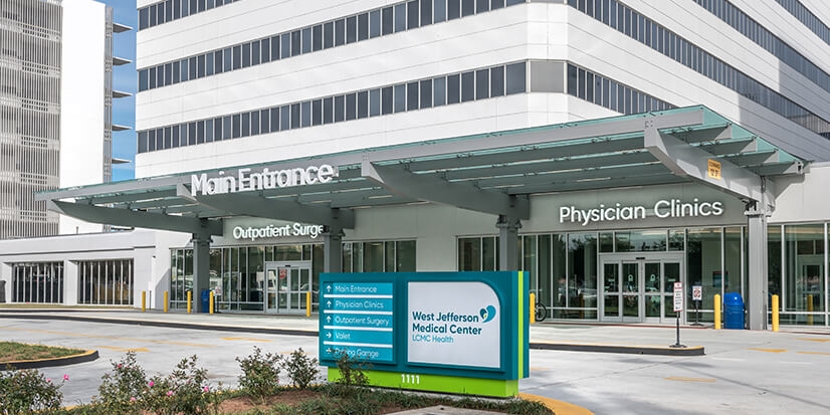
At West Jefferson Medical Center, our urology team personalizes testicular
cancer treatment to your specific needs. Your treatment plan will depend
on the type and stage of cancer, and test results. You’ll discuss
treatment options with your team. They’ll explain any treatment
risks or side effects.
Common treatments for testicular cancer include:
Surgery: Surgery to remove the testicle (called radical orchiectomy) is the main
treatment for testicular cancer. In most cases, surgeons only need to
remove one testicle, which often doesn’t affect fertility or sexual
function. They also may remove lymph nodes in the abdomen.
Radiation therapy: Radiation can help kill cancer cells and shrink tumors. It may help get
rid of any remaining cancer cells after surgery or treat cancer that has
moved to other parts of the body.
Chemotherapy: People tend to get chemo if their testicular cancer has spread beyond
the testicle. A combination of drugs helps kill the cancer cells before
or after surgery.
Surveillance: Some types of testicular cancer require patients to be monitored closely.
They have regular follow-up exams, blood tests, and imaging to make sure
the cancer doesn’t get worse or come back.








.jpg)