Understanding the basics: What is neurological care?
- Category: Neuroscience, Brain & Spine Care, Behavioral Health
- Posted on:
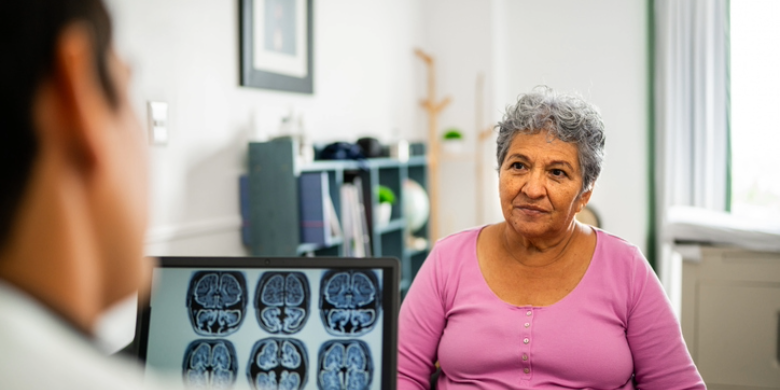
If you’ve been diagnosed with a condition that affects the nervous system, your provider may refer you to a neurologist or a neurosurgeon for neurological care. What exactly does that mean, though?
At LCMC Health, neurological care takes place through our Neuroscience Institute. It includes both neurology and neurosurgery, which are specialties focused on the brain, spinal cord, and other parts of the nervous system. Through the Healthy Brain Aging Initiative, our program also looks at cognitive health and dementia.
But let’s break down neurological care even further.
What is neurology?
Neurology is a field of medicine in which providers called neurologists specialize in diagnosing and treating neurological disorders. Neurologists may focus on treating specific age groups, or they may focus on treating a specific medical condition or group of conditions.
Common neurological disorders
Neurological disorders vary widely because the nervous system includes an intricate network of nerves—all in different parts of the body. Neurologists can care for more than 600 neurological disorders, such as:
- Alzheimer’s disease and other types of dementia
- Amyotrophic lateral sclerosis (ALS)
- Back or neck pain
- Carpal tunnel syndrome
- Epilepsy
- Huntington’s disease
- Muscular dystrophy
- Parkinson’s disease
- Spina bifida
- Spinal cord or brain injuries
- Tumors of the nervous system
What to expect from your neurologist
If you’re having neurological symptoms or your provider suspects a neurological disorder, they may refer you to a neurologist. At your neurology appointment, your neurologist will do a physical exam and tests with imaging scans to determine a diagnosis. Once you have a confirmed diagnosis, they’ll create a personalized treatment plan to meet your needs.
Treatments for neurological conditions
In many cases, when we treat a neurological condition, physicians will start with more conservative therapies like medication, physical therapy, or bracing. Many neurological conditions, such as Parkinson’s disease, require ongoing management of the condition as they progress, so the neurologist can adapt treatment plan to fit the patient’s changing needs.
Some patients require surgical treatment to help with symptoms or correct problems with the nervous system. In these cases, the patient may be referred to a neurosurgeon, who works with the referring neurologist to ensure complete care is provided to manage your condition effectively.
What is neurosurgery?
Neurosurgery is like neurology, but specialists focus on offering surgical treatment of neurological conditions.
However, neurosurgeons don’t just perform surgeries. They can also diagnose and treat neurological conditions with nonsurgical treatment methods. While they often work with neurologists, they may be your only provider for neurological care.
Conditions neurosurgeons treat
Neurosurgeons can perform surgical procedures, including advanced spine care, to treat any condition affecting the nervous system, such as:
- Brain aneurysms
- Brain or spine tumors
- Carpal tunnel
- Degenerative disc disease
- Epilepsy
- Herniated discs
- Intracerebral hemorrhage
- Peripheral nerve damage
- Scoliosis
- Spinal instability
- Trigeminal neuralgia
- Vascular disorders
What to expect from neurosurgery at LCMC Health
Some neurosurgeries are planned. For example, a surgery may be scheduled to repair a herniated disc in the spine. Others are emergency procedures for conditions such as stroke, brain aneurysm, or intracerebral hemorrhage.
All neurosurgery patients at LCMC Health have access to the latest innovations in care. Though neurosurgery procedures are often intricate and complex, many of them can now be performed using minimally invasive surgery techniques that are better for patients, since they involve smaller incisions, reduced bleeding, and faster recovery time.
After surgery, patients can expect follow-up appointments with a neurological specialist to ensure they’re healing correctly. They’ll also be connected with other resources and rehabilitation services.
Cognitive health and aging support in New Orleans
One common aspect of neurology that’s often missing from neurological care is improving cognitive health as we age. At LCMC Health, we started the Healthy Brain Aging Initiative to prevent cognitive decline and reduce the burden of Alzheimer’s disease and related dementias.
Through prevention, treatment, support, and research, we hope to strengthen brain function with science-backed habits and other innovative solutions.
Do you have a neurological condition? Find neurological care near you.
A little something extra, delivered to your inbox.
We're making health a reason to celebrate!
Fill out the form below to receive our monthly wellness email to keep you informed about healthcare trends, information about our providers and services, and of course, tons of delicious recipes (that are good for you!) from our expert dietitians.
.png)