Learn about prostate cancer and lower your risk
- Category: Cancer Care, Cancer Awareness, prostate cancer
- Posted on:

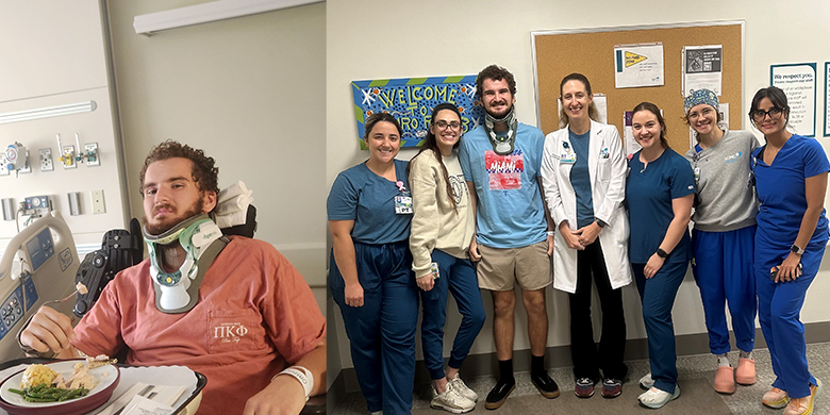
Fellas, it’s time for real talk—prostate cancer is one of the most common cancers in American men. But early detection can make all the difference. Just ask Gregory, a prostate cancer survivor, who says his regular screenings helped catch and treat his cancer.
Learn more about prostate cancer, so you can also protect your health now and in the future.
What is prostate cancer?
Prostate cancer is when abnormal cells grow in the prostate and become cancerous. The prostate is the gland located in a man’s abdominal area beneath the bladder. It’s where the body produces semen.
Globally, prostate cancer is one of the most diagnosed cancers. It tends to grow very slowly and may not cause symptoms right away. The bad news is that if you don’t catch and treat prostate cancer early, it can be deadly. The good news, though, is that if you do catch it early, it’s very treatable.
Who’s at risk for prostate cancer?
Any man can get prostate cancer, but the following factors may increase your risk:
- Age: 50 years or older
- Ethnicity: African American
- Genetics: Family history of prostate cancer
- Diet: Lots of red meat, not many vegetables
- Activity: Low levels of physical activity
- Weight: Obesity
To understand your risk for prostate cancer, talk to your provider. You may need to start cancer screenings earlier based on your risk levels.
Though it may not be possible to prevent prostate cancer, a healthy lifestyle can help lower your risk. Consider taking vitamin E, eating a leaner diet, avoiding tobacco and alcohol, exercising regularly, and managing stress.
Symptoms of prostate cancer
Most early stages of prostate cancer don’t cause symptoms. That’s why cancer screenings are so important. By the time you notice symptoms, the cancer may have spread to other areas of the body, making treatment more difficult.
Prostate cancer symptoms to watch for include:
- Blood in the urine or semen
- Frequent need to urinate, especially at night
- Pain or stiffness in the lower back, hips, or pelvis
- Trouble getting an erection
- Trouble urinating or emptying your bladder
- Weak or interrupted urine flow
Know that you may have these symptoms for other reasons besides cancer. It’s always a good idea to talk with your provider about any changes to what’s normal for you and your body.
PSA screenings and why you need them
There are a few ways providers can check for prostate cancer—even before you notice symptoms. Screenings are important because they help detect cancer early. And the earlier we diagnose cancer, the easier it is to treat.
One of the most common screenings for prostate cancer is the prostate-specific antigen (PSA) blood test. Men over age 50 should get a PSA test during their annual exam with their primary care provider. The PSA screening measures levels of PSA in the blood. Higher PSA levels can be a sign of cancer, infection, or inflammation of the prostate.
If you have high PSA levels, your provider may order a biopsy, which can help diagnose prostate cancer. You may also receive imaging tests, such as a transrectal ultrasound of the prostate, a prostate MRI, or a pet scan.
Find a men’s health expert near you
Taking care of your health is important. At LCMC Health, we have a team of men’s health experts ready to care for you. Whether you need a primary care provider for annual health screenings, a urologist for urological conditions, or an oncologist for cancer care, we’ve got you covered.
Take a moment for men’s health. Your future self will thank you.

.png)