
Heart Transplant
Heart transplant and failure
Non-surgical heart failure treatment
Heart failure is caused by damage to the heart that has developed over time. It can’t be cured, so managing heart failure is a team effort. Before a transplant is considered, non-surgical treatment may include lifestyle changes, cardiac rehab, and new therapies, devices, and procedures. Minimally invasive procedures for severe heart failure include:
- Angioplasty and stents
- Cardiac ablation
- Valvuloplasty
- Implantable cardiac devices
- Transcatheter aortic valve replacement
Learn more about heart procedures
Advanced heart failure
A heart transplant is only for people with severe heart failure when no other treatments work. To be eligible, you must:
- Have severe heart failure, with a heart pumping strength (ejection fraction) of less than 20% (normal is 50-65%).
- Have tried all other treatments (like medications, surgery, or pacemakers) without success.
- Have no other options left for treatment.
Heart transplant surgery
When all other treatments are unsuccessful, a heart transplant may be an option to enhance the quality and length of life for people with advanced heart failure. These considerations include:
- When advanced heart disease cannot pump enough blood to support your body's needs.
- When arrhythmias cause a severe irregular heartbeat.
- When cardiomyopathy causes the heart muscle to become diseased, enlarged, or rigid, causing the heart to not pump blood effectively.
- When congenital heart disease, a heart defect, is present at birth.
- When coronary artery disease narrows the blood vessels that supply blood and nutrients to the heart.
- When heart valve disease causes one or more of your four heart valves to not work properly.
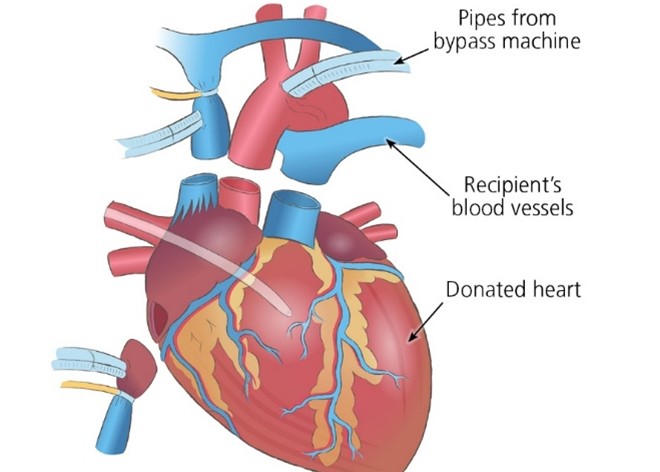
Heart transplantation involves surgically replacing the diseased heart with a new one to restore normal function and requires lifelong medications and management to prevent rejection.
Questions?
To learn more, please contact the Tulane Transplant Institute at 504-988-5344.