Innovative approaches to managing pancreatic disorders without surgery
encompass medications, dietary management, and targeted therapies that
focus on the specific needs of the pancreas. These non-invasive methods
address conditions like pancreatitis, pancreatic insufficiency, and diabetes,
providing patients with effective alternatives to surgical intervention
in the early stages of the disease.
One of the main functions of the pancreas is to make insulin, a hormone
that regulates the absorption of sugar into cells. If the pancreas doesn't
make enough insulin, blood sugar levels can rise to unhealthy levels,
resulting in type 1 diabetes. Non-surgical treatments enable more accurate
diagnostics and personalized treatment plans like:
Innovative techniques such as high-resolution MRI and advanced ultrasound
methods provide detailed insights into pancreatic structures, facilitating
early detection and better management of disorders.
Wearable devices and mobile health applications that monitor their glucose
levels, dietary intake, and overall health metrics in real time.
Medications that target enzyme deficiency, inflammation, and insulin resistance
such as pancreatic enzyme replacements and medications that improve insulin
sensitivity.
Diet and lifestyle changes that include avoiding high-fat, high-sugar foods
can significantly reduce the strain on the pancreas, promoting better
digestion and reducing inflammation. Regular physical activity, stress
management, and avoiding alcohol and tobacco are also key.
Pancreas surgery and transplant
Pancreas tumor surgery
A minimally invasive Hepatobiliary surgery involves removing benign and
malignant tumors of the liver or pancreas but leaves surrounding tissue.
It utilizes smaller incisions that help decrease pain, length of hospital
stays, and recovery time. Our surgeons use laparoscopic techniques whenever
possible to inspect the abdomen, remove, and destroy tumors.
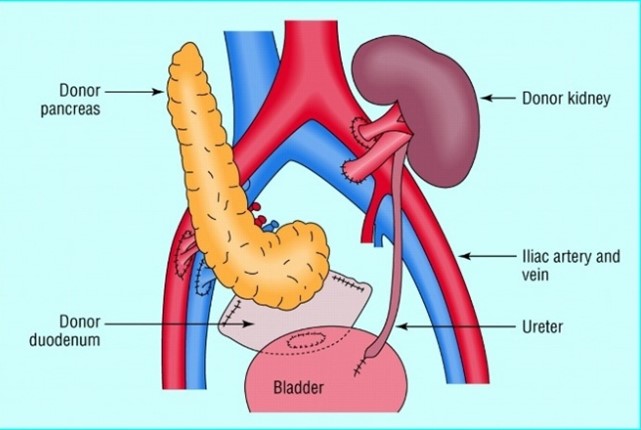
Pancreas transplant
A pancreas transplant is typically reserved for those with serious complications
of diabetes because the side effects of a pancreas transplant can be significant.
The most common reason for a pancreas transplant is to restore insulin
production in people with type 1 diabetes, reducing or eliminating the
need for insulin therapy. It’s considered when complications from
diabetes pose a significant risk for those with:
Type 1 diabetes that cannot be controlled with standard treatment
Frequent insulin reactions
Consistently poor blood sugar control
Severe kidney damage
Type 2 diabetes associated with both low insulin resistance and low insulin
production
Pancreas transplantation involves surgically replacing the diseased liver
with a new one to restore normal function requiring lifelong medication
management to prevent rejection.