
Kidney Transplants
Kidney transplant and failure
Non-surgical kidney failure treatment
Treatment for chronic kidney disease focuses on slowing the progression of kidney damage, usually by controlling the cause. But even controlling the cause might not keep kidney damage from progressing. Chronic kidney disease can progress to end-stage kidney failure, which is fatal without artificial filtering (dialysis) or a kidney transplant.
Dialysis uses a machine to artificially remove waste products and extra fluid from your blood when your kidneys can no longer do this.
- Hemodialysis, the most common type, uses a machine to filter waste and excess fluids from your blood. You can get hemodialysis from a dialysis center or at home. Most people receive in-center hemodialysis at least three times per week.
- Peritoneal dialysis, a thin tube inserted into your abdomen fills your abdominal cavity with a dialysis solution that absorbs waste and excess fluids. Afterward, you drain the solution into a bag outside of your body.
Kidney transplant surgery
While kidney dialysis can manage the filtering of toxins, a kidney transplant offers a more permanent solution to improving overall health. Studies have shown that transplant recipients often live longer and report better physical and emotional well-being than those who remain on long-term dialysis. Kidney transplant surgery replaces a damaged or diseased kidney with a healthy one. This is often the last resort for individuals whose kidneys have failed and can no longer perform their essential function of filtering waste and excess fluids from the blood. Kidney failure, also known as end-stage renal disease (ESRD), can be life-threatening. Kidney transplants are considered when:
- Kidney damage has progressed to end-stage renal disease (ESRD).
- Dialysis is no longer controlling symptoms effectively or significantly reducing quality of life.
- Timing and eligibility are considered earlier due to greater opportunities for preemptive or early transplants and improving outcomes.
- Some health conditions, like heart disease or infections, may need treatment before candidacy is fully considered.
Surgical services
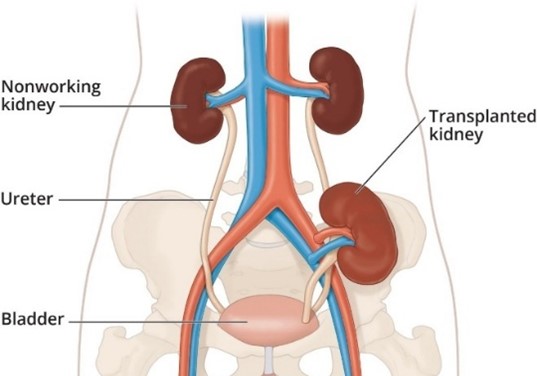
Kidney transplantation involves surgically replacing the diseased or non-functioning kidney with a new one to restore normal function requiring lifelong medications to prevent rejection.
Kidney donation
Kidneys for transplantation can come from two sources: deceased organ donors or living kidney donors. Each day, more than 100,000 people in the United States are awaiting a life-saving organ transplant, with 85% of them in need of a kidney.
Learn more about kidney donation
Questions?
To learn more, please contact the Tulane Transplant Institute at 504-988-5344.