Heart failure (aka congestive heart failure) is an inadequate functioning
of the heart muscle that often develops after other conditions have damaged
or weakened the heart. It can also occur if the heart becomes too stiff.
It can be ongoing (chronic), or it may start suddenly (acute). Some of
the symptoms include rapid weight gain caused by fluid buildup and shortness
of breath, a fast heart rate, a lingering cough, swelling in the feet,
legs, or abdomen, extreme fatigue, nausea or loss of appetite.
The symptoms of a heart attack can vary from person to person. Some people
don’t have any symptoms at all. Men’s heart attack symptoms
are often described as chest pain that feels like a crushing weight on
the chest. Women’s heart attack symptoms may also include chest
pain, but more likely to have different, subtler symptoms for three or
four weeks before a heart attack. Coronary artery disease (CAD) in women
is sometimes hard to diagnose and often affects the small arteries, which
cannot be clearly seen during cardiac catheterization.
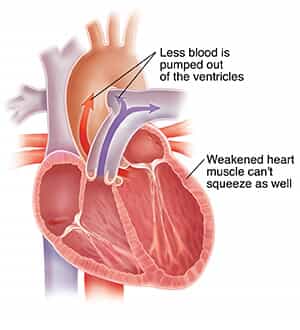
Systolic heart failure
This condition occurs when the heart muscle becomes weak and enlarged.
When the ventricles contract, it isn’t capable of pumping enough
blood throughout the body. The measurement of how much blood your heart
pumps with each beat is called ejection fraction – and with systolic
heart failure, that measurement is lower than expected. The byproduct
is backed-up blood in the lungs, shortness of breath, and eventually edema,
or ankle swelling.
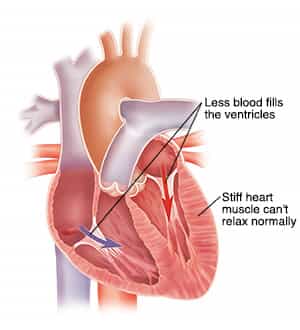
Diastolic heart failure
In this case, the heart muscle becomes stiff instead of weakened. As a
result, it cannot relax between contractions. It keeps blood from filling
up the ventricles as needed. Even though the ejection fraction is often
in the normal range, the condition still causes a backup of blood in the
body. The backup can impact numerous organs, such as the liver.
The signs and symptoms of systolic and diastolic heart failure
Fortunately for you, there are several signs and symptoms of heart failure.
Keeping a close eye on your heart health is an excellent idea. Some of
the symptoms include rapid weight gain caused by fluid buildup and shortness
of breath. Many patients experience a fast heart rate and a lingering
cough. Others will notice swelling in the feet, legs, or abdomen. Nearly
all patients suffer from extreme fatigue. Lastly, many will notice frequent
nausea or loss of appetite.
Heart failure treatment
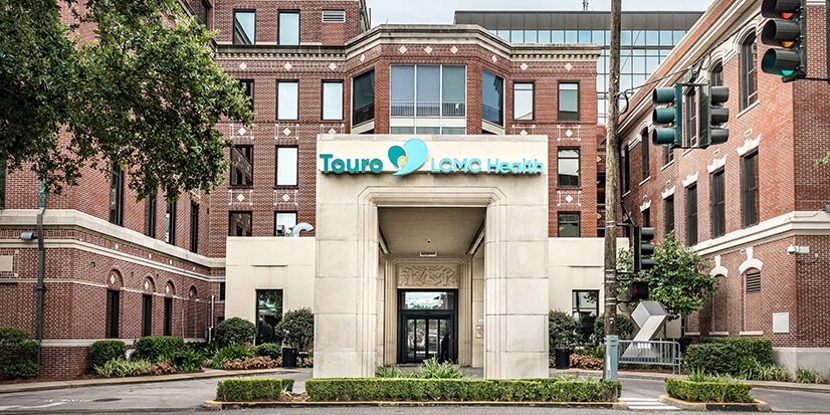
At Touro Heart & Vascular Care in New Orleans, treatment depends on
your individual diagnosis. For example, if heart failure stems from a
valve problem, a procedure such as TAVR may be performed. If your problem
is due to high blood pressure or blood sugar levels, then medication,
weight loss, and lifestyle changes like smoking cessation might be recommended.
If you develop severe heart failure or serious arrhythmias (irregular
heartbeats) you may need an implantable defibrillator or pacemaker. If
you have had a heart attack, you may be a candidate for a minimally invasive
procedure such as angioplasty or coronary stenting, or possibly more invasive
such as open-heart bypass surgery.
Advanced congestive heart failure
Advanced congestive heart failure (CHF) means the condition has progressed
to where traditional therapies and symptom management are no longer working.
Someone with advanced heart failure feels shortness of breath and other
symptoms even at rest. Sometimes called cardiac asthma, it is caused by
the backup of fluid in the left side of the heart due to a heart that
pumps weakly, a leaky valve or a heart defect When congestive heart failure
progresses to an advanced stage, there are still treatment options. The
decisions – ranging from “do everything possible” to
“strive for comfort” – aren’t easy. Touro’s
CHF Program and medical teamwork in partnership with you. Shared decision-making
means you don’t have to make decisions on your own.
Get in touch! We're ready to help you reclaim your heart health today.