Touro Heart & Vascular Care in New Orleans is renowned for outstanding
valve disease treatment with cardiac patients referred from across the
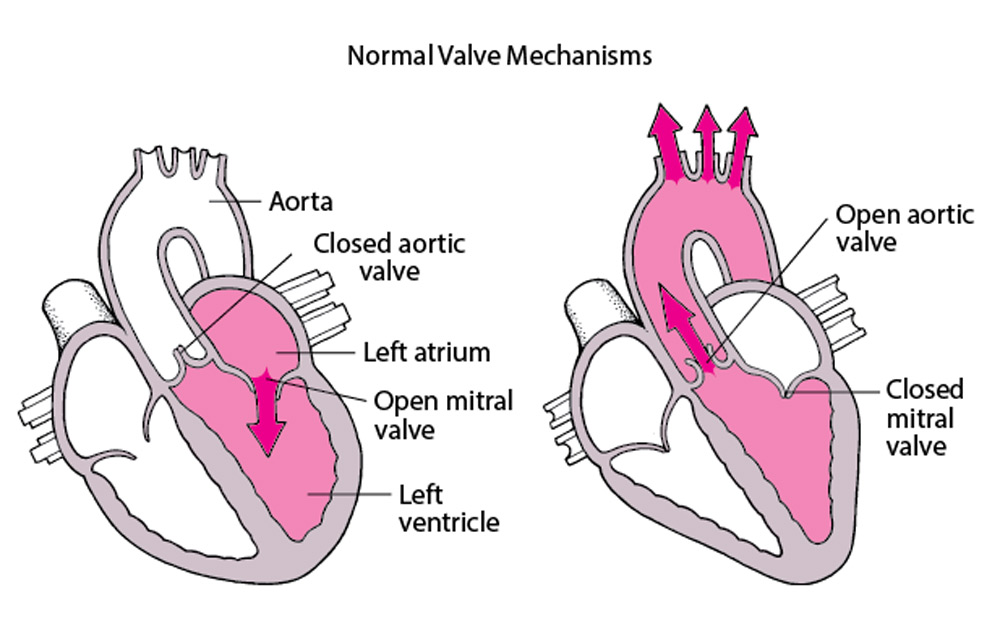
region. Your heart valves have two main functions: to fully open and to
tightly close with the purpose of pumping blood through your entire body
so that cells and organs can thrive. Blood flows through the system, coming
from the body, passing through the right side of heart, out to the lungs
to receive oxygen, passing back through the left side of the heart and
traveling out to the body. When the valves and chambers fail to move blood
properly, symptoms may develop and require treatment.
The heart has four chambers:
Two upper chambers (atria)
Two lower chambers (ventricles)
The heart also has four valves:
Located between the right atrium and the right ventricle
Pulmonary valve
Located between the right ventricle and the pulmonary artery
Mitral and aortic valve
Mitral: Located between the left atrium and the left ventricle
Aortic: Located between the left ventricle and the aorta
Causes of heart valve problems
Valve stenosis (narrowing)
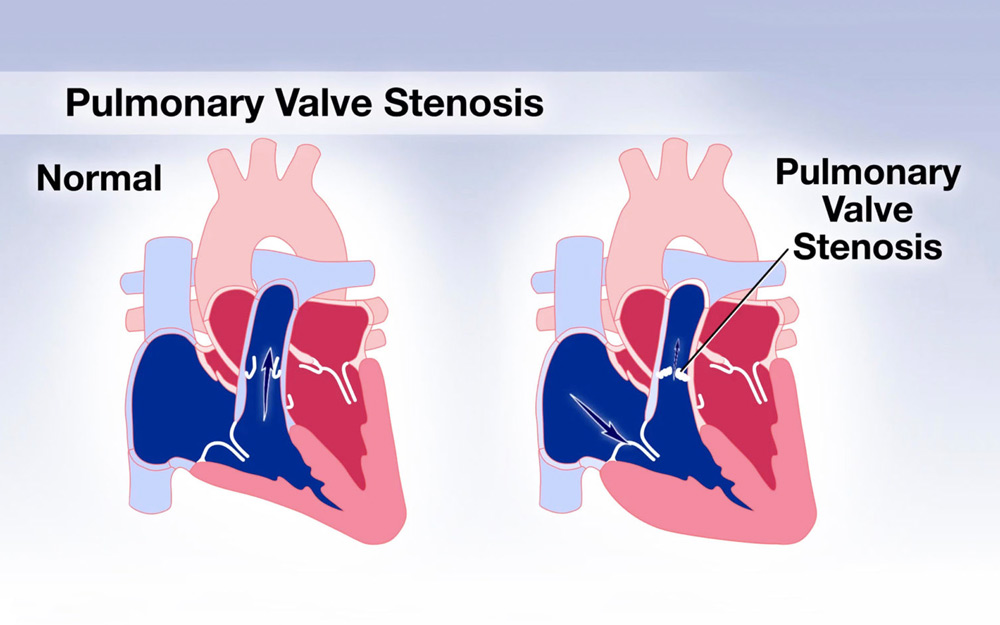
Valve stenosis is the stiffening of heart valves that can narrow the size
of the valve opening and restrict blood flow. It keeps the valve from
opening fully and reduces the amount of blood that can flow through. In
severe cases, the valve opening can become so narrow that the rest of
the body may not receive adequate blood flow.
Valve regurgitation (leaking)
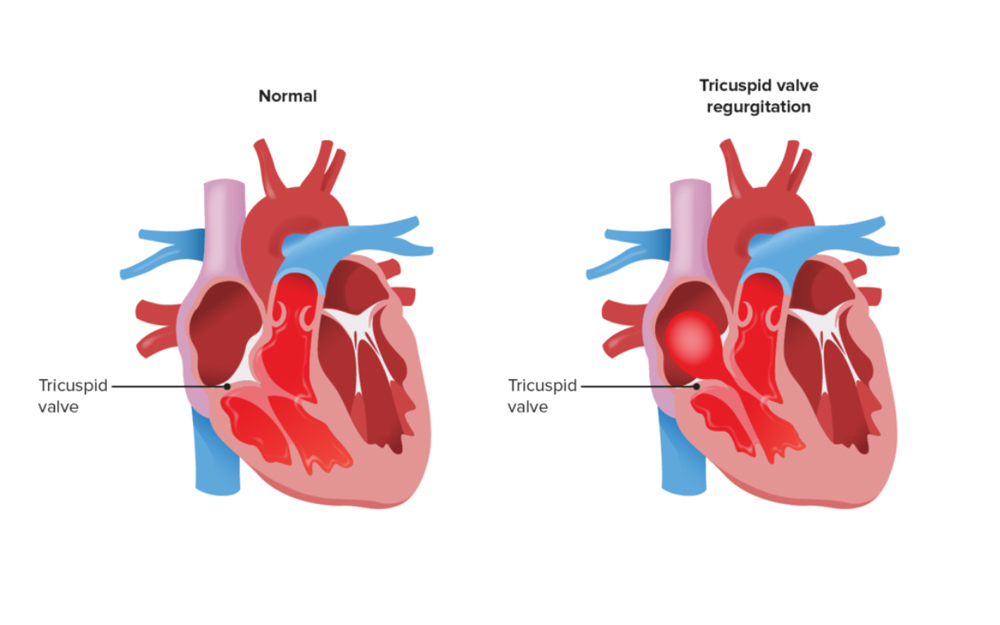
Valvular regurgitation can happen when the valve doesn’t close properly
and allows blood to flow backwards This disruption of the one-way blood
flow in the heart puts a strain on your heart, reduces its pumping efficiency,
and limits its ability to supply your body with oxygen-rich blood.
Congenital valve disease
Congenital valve disease happens when a heart’s valves don’t
develop before birth. Sometimes the defect keeps the valve from closing
completely, which means blood can flow back into the heart. For example,
a hole is left where a dividing wall should have formed, or a single blood
vessel is left, where two should have been.
Treating valve disease
The treatments for valve disease vary but often include medications that
ease the symptoms. If medication alone does not work, there are minimally
invasive heart valve procedures like valvuloplasty, transcatheter aortic
valve replacement (TAVR) or traditional open-chest valve surgery.
Electrocardiogram (ECG)
This test records the electrical activity in your heart and can reveal
abnormal rhythms. We can also use it to detect heart muscle damage.
Echocardiogram (Echo)
An echo uses sound waves to evaluate the heart’s chambers and valves.
We use a probe to create an image on a screen that provides more information.
Transesophageal Echocardiogram (TEE)
We pass a small ultrasound probe down into the esophagus during this procedure.
The sound waves produced by the probe create a clear picture of what is going on.
Chest X-Ray
In addition to showing imagery of internal tissues, bones, and organs on
film, chest x-rays can show enlargement in any area of the heart.
Cardiac Catheterization
During cardiac catheterization, we insert a catheter into the large artery
in your leg or arm. Then the catheter monitors heart pressures. A contrast
dye allows us to see images.
MRIs
MRIs use a combination of magnets, radio waves, and a computer to create
accurate images of any organ or structure in the body, making it perfect
for diagnosing valvular disease.
CT Scan
Like an MRI, a CT scan uses X-rays and a computer to make images of the
organs and structures within your body. Contrast dye is often useful in
enhancing the photos.
Whether you require treatment or not depends on the nature of your condition.
We might prefer to monitor your problem for an extended period. The treatments
vary but often include medications that ease the symptoms of valvular
disease. Beta-blockers, digoxin, and calcium channel blockers are all
effective. If medication alone does not work, there are other avenues
to explore. They include surgical procedures like valve repair or replacement.
Additionally, we can use minimally-invasive treatments like transcatheter
procedures. Balloon valvuloplasty and transcatheter aortic valve replacement
are also good options.
We provide complete heart and vascular care
Our extraordinary physicians and staff at Touro Heart Care are proud of
their ability to deliver personalized, patient-centered care to each of
our patients. Every patient receives thorough diagnostic testing, which
helps to inform the tailored treatment plan devised specifically for them.
Then, we offer a range of heart rehabilitation programs to help you regain
strength and get back to enjoying your life.
Get in touch! We're ready to help you reclaim your heart health today.