When you need surgery—whether it’s hernia surgery or a skin
biopsy—it’s helpful to know what to expect, have a surgical
team you can trust, and be close to home. At West Jefferson Medical Center,
our surgical care team specializes in a variety of surgical treatments.
We’re focused on you and improving your quality of life.
And what’s better than top medical care in a comfortable, trusted
setting? When it’s right here in New Orleans.
Call
504.349.6713 to learn more about surgical care options.
Types of surgery we provide
The specific type of surgery our doctors recommend depends on your needs
and medical history. Before your surgery, you'll have the chance to discuss
the possible benefits and risks of the procedure with your surgeon. They'll
also tell you about recovery time and other instructions.
Our surgeons provide the best specialized surgical care in the New Orleans
metropolitan area. They all exceed credentialing criteria and have up
to 40 years of experience in private practice. In addition to performing
general surgery, our surgeons subspecialize in areas including colorectal,
thyroid, breast, laparoscopic, robotic, bariatric and oncologic surgery.
Moreover, our surgeons are among Louisiana's leading doctors in the field
of hernia repair surgery.
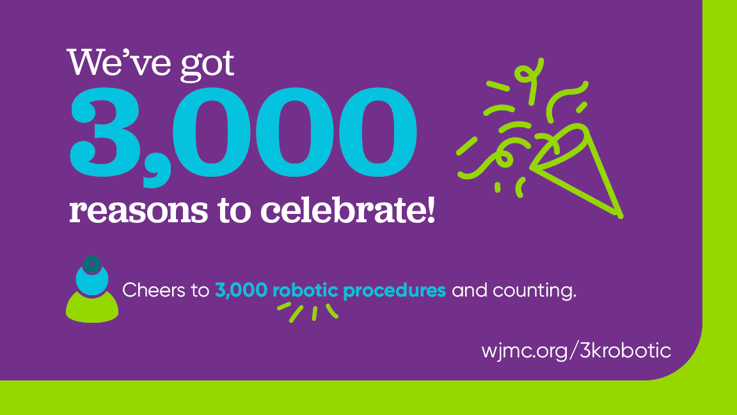
Our surgical team is among the leaders of robotic surgery in the state,
with emphasis on the da Vinci robot. So much so that our surgeons are
qualified robotic instructors who teach other surgeons how to use the
da Vinci robot for minimally invasive procedures.
Advanced laparoscopy and robotic surgeries are minimally invasive surgical techniques. Surgeons
use specialized instruments and technology to perform complex procedures
with smaller incisions. The result is less tissue damage and faster recovery
time than traditional open surgery. Many types of procedures can use laparoscopy
and robotic surgery. To learn more, ask your surgeon or surgical care team.
Alimentary tract surgeries involve the digestive system—the mouth,
esophagus, stomach, small intestine, colon, rectum, and anus. These surgeries
typically help treat conditions like cancer, gastrointestinal (GI) disorders,
and injuries. Alimentary tract surgery examples include:
Colostomy: Creating an opening (stoma) in the stomach and connecting part of the
colon to it. This procedure allows waste to bypass the lower part of the
colon and leave the body through the stoma.
Esophageal diverticulectomy: Removing the esophageal diverticulum, which
is part of the esophagus. This procedure helps with symptoms such as trouble
swallowing, regurgitation, and aspiration.
Gastrostomy: Creating an opening (stoma) in the stomach wall and inserting a
feeding tube.
Small bowel resection: Removing part of the small intestine that’s
blocked or damaged.
Anus or rectum surgery usually happens to treat conditions such as
anal cancer, rectal cancer, inflammatory bowel disease, or
hemorrhoids. Some of the anus or rectum surgeries we do include:
Anal abscess or fistula surgery: Treating abscesses (pus-filled wounds)
or fistulas (small openings) in the anal area.
Hemmorrhoidecomy: Removing hemorrhoids, which are swollen veins in the
anus or lower rectum.
Rectal resection: Removing part or all of the rectum.
There are many types of breast surgery we provide. Examples include:
Biopsy: Removing a small tissue sample to look at under a microscope. We
offer both breast biopsies and sentinel lymph node biopsies, which can
help check for signs of breast cancer or other conditions, or see if breast
cancer has spread.
Endocrine surgery focuses on diagnosing and treating diseases that affect
the endocrine glands. The endocrine glands make hormones to regulate different
body functions. The most common endocrine surgeries include:
Pancreatic surgery: Removing tumors of the pancreas or managing complications
related to pancreatic endocrine tumors (PETs).
Parathyroidectomy: Removing one or more parathyroid glands in the neck.
These glands produce hormones that regulate calcium levels in the body.
Thyroidectomy: Removing all or part of the thyroid gland in the neck. The
thyroid gland makes hormones that regulate metabolism.
At West Jefferson, our surgeons perform hernia surgeries that aim to fix
hernias. Hernias happen when an organ or tissue protrudes through surrounding
muscle or tissue.
Learn more about hernias and hernia treatment.
We tend to perform offsite-based surgical procedures outside our traditional
hospital setting—sometimes in an ambulatory surgery center or outpatient
clinic. You may have an offsite procedure for:
Skin and soft tissue surgeries include a variety of procedures—some
cosmetic, some medical. At West Jefferson Medical Center, we offer many
of these surgeries. Examples of the most common types of skin and soft
tissue surgery include:
Excisional surgery: Removing a skin lesion, such as a cyst, or tumor.
Mohs surgery: Treating skin cancer by removing thin layers of skin one at a time.
Reconstruction surgery: Rebuilding skin and soft tissue that has been damaged
or lost due to injury, burns, or surgery.
Skin cancer resection: Removing skin cancer, such as basal cell carcinoma,
squamous cell carcinoma, or
melanoma.
Wound care: Managing and treating wounds with cleaning, debridement, and dressing changes.
Thoracic surgery treats medical conditions affecting organs and structures
in the chest (thorax). Surgery may help the lungs, heart, esophagus, trachea,
pleura, or mediastinum. Examples include chest abscess surgery and lung
resection surgery.
Thoracic surgeons receive special training in this area. Here at West Jefferson
Medical Center, our surgeons perform traditional surgery and minimally
invasive techniques, including thoracoscopy or video-assisted thoracoscopic
surgery (VATS). With VATS, the surgeon makes small incisions in the chest
wall and inserts a tiny camera and instruments to perform the procedure.