Heart Patient Finds Strength Through Cardiac Rehabilitation at East Jefferson General Hospital After Two Life-Threatening Blockages
- Category: Heart & Vascular, Heart Care, Patient Story
- Posted On:
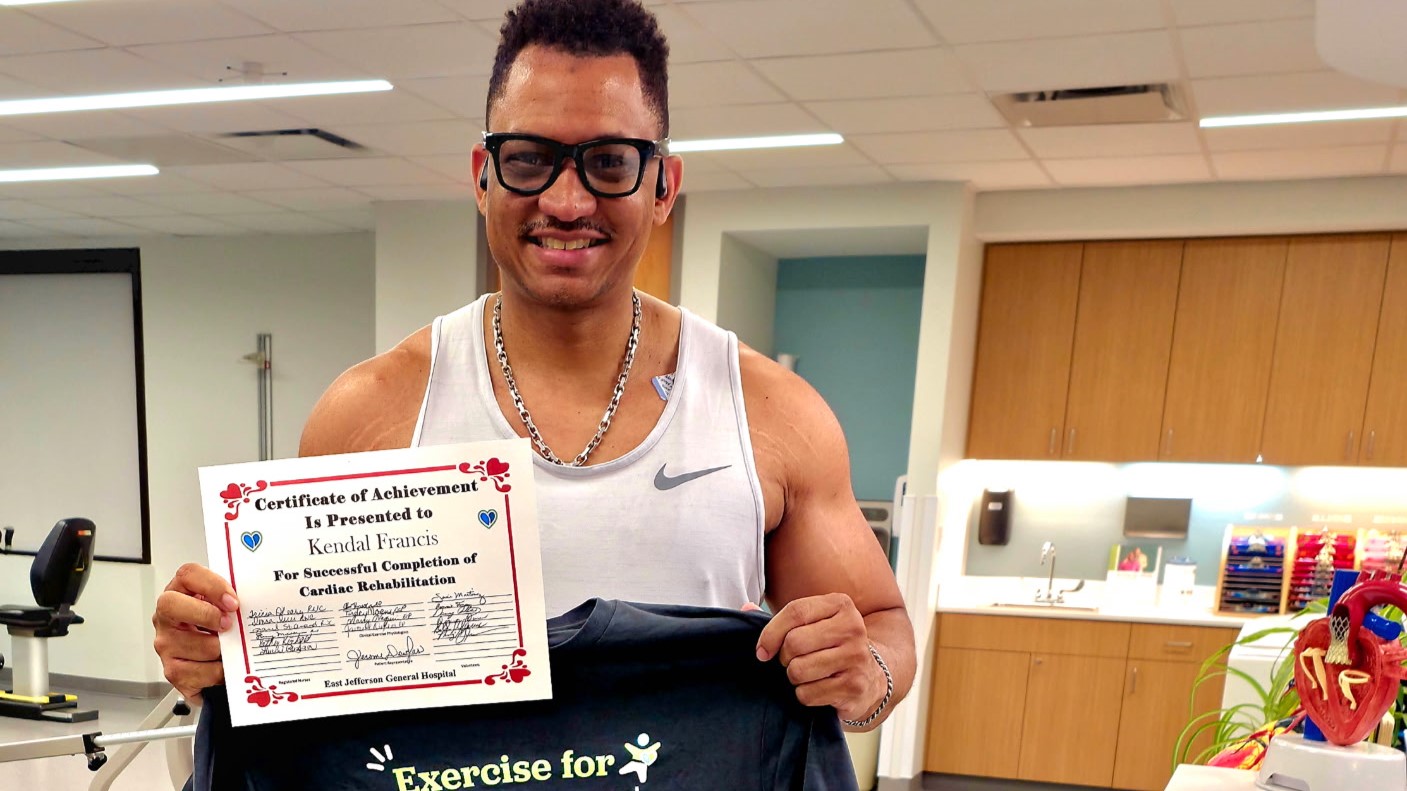
For most of his life, Kendal Francis, now 50, looked like the picture of health. A former Tulane University football player, lifelong athlete and fitness enthusiast, Kendal spent decades staying active. He worked out regularly, mentored young athletes, and pushed himself physically long after his playing days were over.
Yet beneath that healthy exterior, something was wrong.
Twice, listening to his body saved his life.
Today, after completing the nationally recognized East Jefferson General Hospital's Cardiac Rehabilitation Program, Kendal hopes others will learn an important lesson from his experience.
"We are not invincible," he said. "Listen to your body. Go get checked."
If Kendal sounds like he is making a public service announcement, that’s because he is doing just that. An assignment editor for NBC local affiliate WDSU-TV in New Orleans, Kendal has always been a communicator.
Thankfully, he finally started listening to the talk track in his own head that was telling him something didn’t feel right when he was pushing himself to do more and more workouts.
When fitness doesn't feel right
Even during his football days in the 1990s, Kendal noticed something unusual. While he excelled at most athletic activities, long-distance running always felt harder than it seemed for everyone else.
After college, he continued exercising and maintained his fitness while many of his peers gained weight. But as he entered his 30s, he began noticing changes.
His endurance declined. Workouts became more difficult. Activities that once felt routine suddenly felt exhausting.
At first, he assumed it was simply part of getting older.
Then things became more concerning.
He described it as a sharp spasm-like feeling in his chest.
"I felt horrible," Kendal recalled. "I felt like I was experiencing a charley horse in my heart."
Searching for answers
At age 36, Kendal underwent extensive testing, including a nuclear stress test, which evaluates how the heart performs during physical activity. During the test, a small amount of imaging dye is injected to show how blood flows through the heart.
The results left him stunned.
Kendal had a 95% blockage in his left anterior descending (LAD) artery, often called the heart's "widowmaker" artery because it supplies blood to a large portion of the heart muscle.
Doctors were equally surprised.
"They said they didn't know how I was even sitting there talking to them with such a massive blockage," Kendal said.
Initially, open-heart surgery was discussed. Instead, physicians determined that a less invasive procedure could restore blood flow. Kendal underwent a coronary stent procedure to open the blocked artery.
Although the procedure immediately restored blood flow, Kendal soon realized that recovering emotionally would take longer than recovering physically.
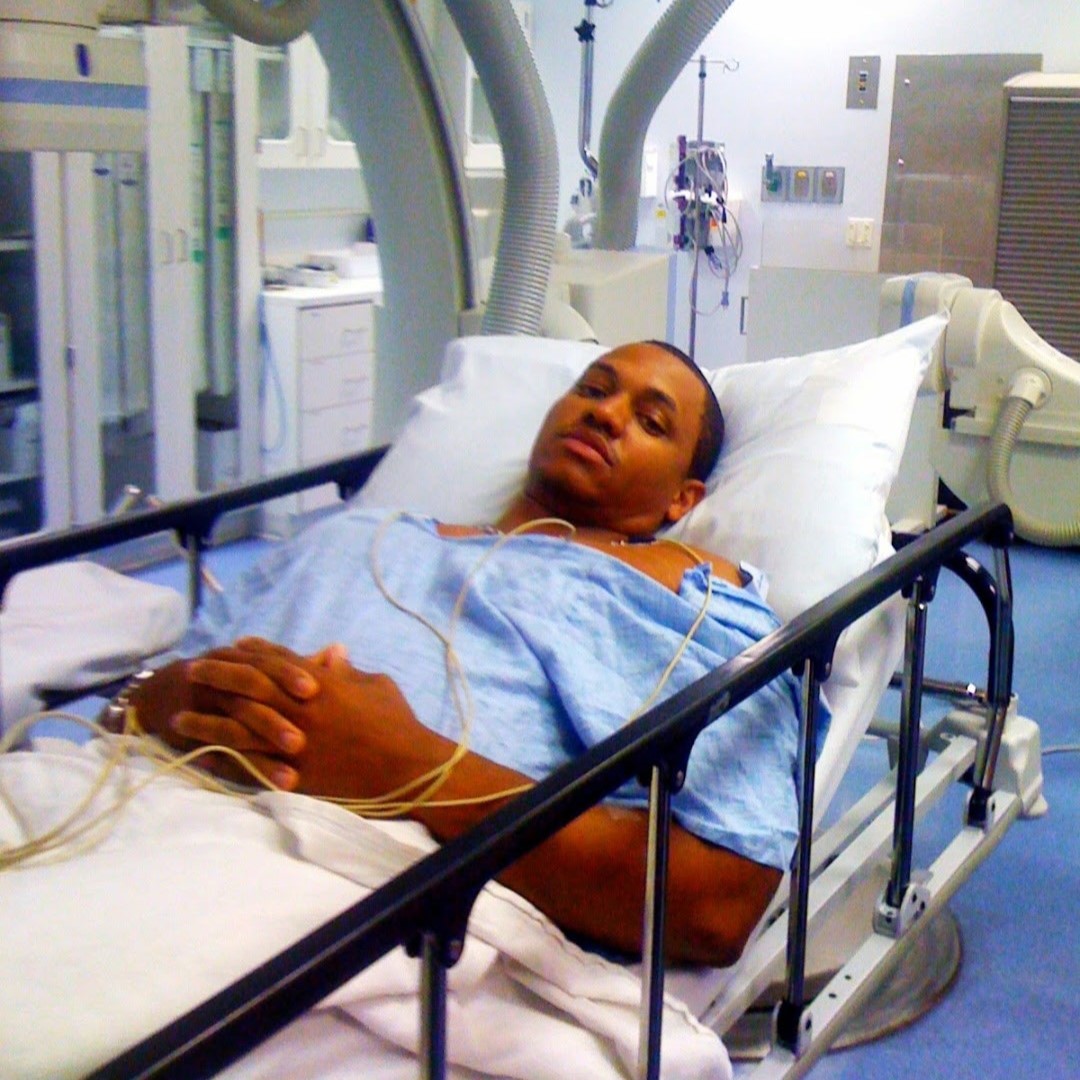
"There I was, 36 years old with no family history. No drugs. No drinking. Always athletic. Always in shape,” he said. “And I was suddenly a heart patient."
Following the stent procedure, Kendal remained committed to fitness, but something had changed. The confidence he once felt in his body was gone. He became increasingly cautious.
Years passed. He remained active and followed medical advice, but he never completely stopped questioning how he felt.
A second close call
In December 2025, just before he was about to leave on Christmas vacation, Kendal found himself struggling again.
Now 50, nearly 13 years after receiving his first stent, the crushing chest pain returned. He experienced brain fog and noticed his workouts becoming more difficult.
While walking on a treadmill, he suddenly reached a breaking point.
At six minutes and 49 seconds—a number he will never forget—he could not continue.
"I was never a runner, that I knew. But to not be able to be on a treadmill for even seven minutes? Come on!"
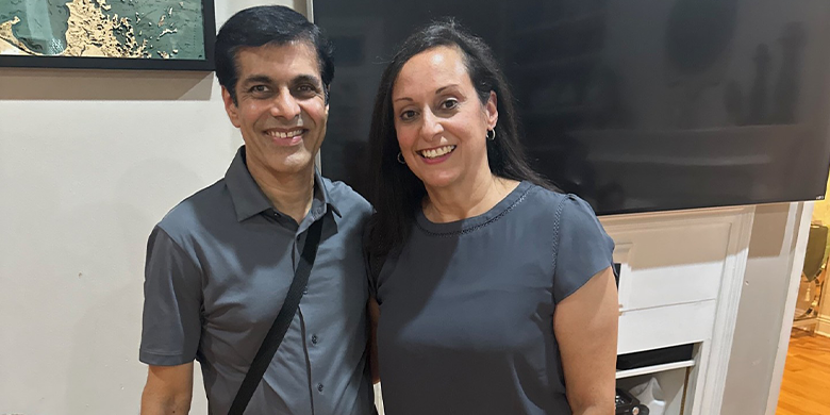
This time, he trusted his instincts and called Muhammad Khalid, MD, interventional cardiologist at Touro.
“Dr. Khalid truly listened carefully to what I was telling him I was feeling and wasted no time in taking action,” Kendal said.
A coronary angiogram revealed two new blockages, and two additional coronary stents were placed to restore blood flow.
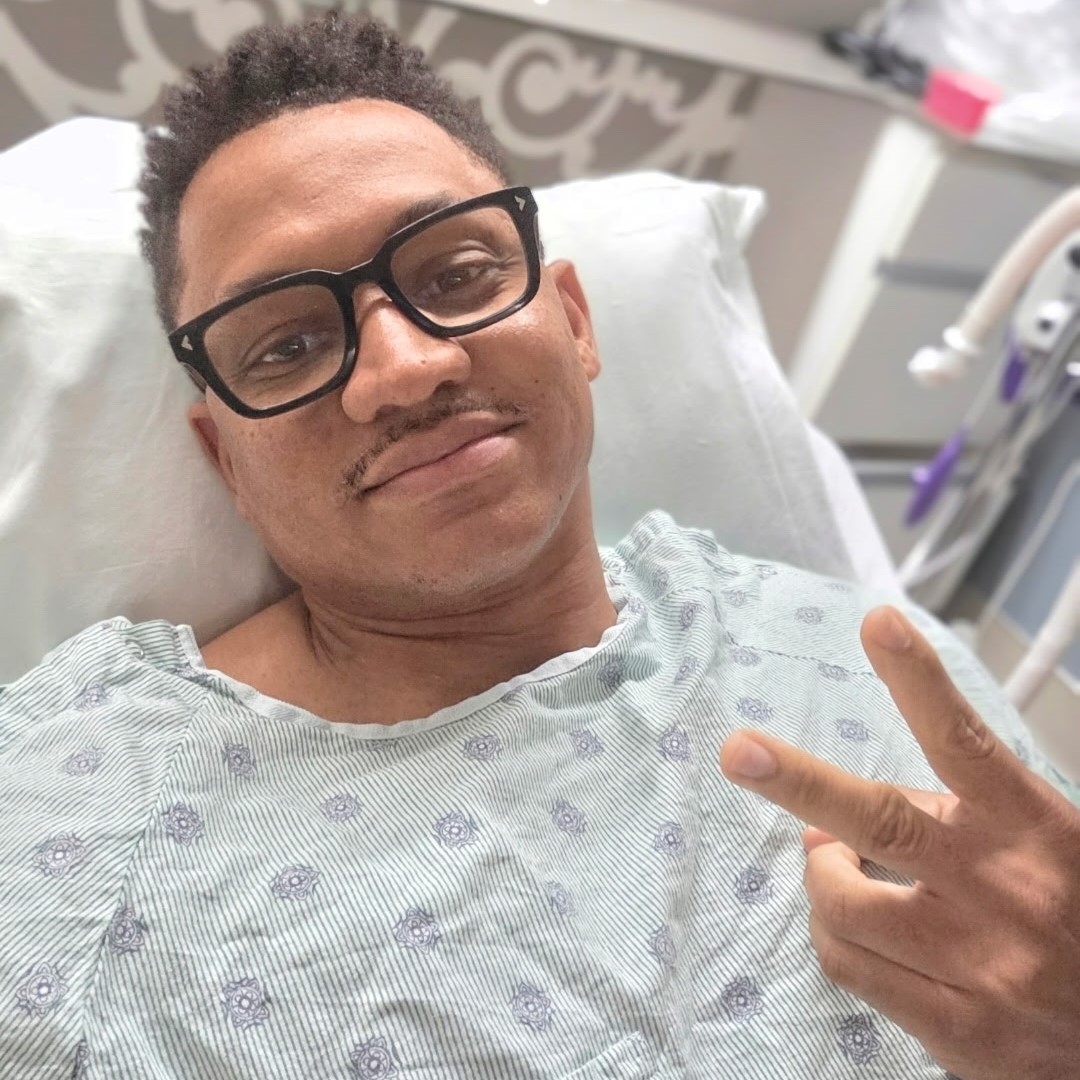
"They told me, 'Thank God you spoke up,'" Kendal said. "You listened to your body."
Kendal credits Dr. Khalid with helping him navigate some of the most challenging moments of his health journey.
"He is my guy," Kendal said. "He takes everything I say into consideration. He tells me exactly what to pay attention to. He listens and he responds."
"Cardiac rehabilitation is one of the most important steps in recovery after a heart procedure," Dr. Khalid said. "It's not simply about exercise. Patients receive medically supervised care, education, and support that helps them safely regain strength, reduce future cardiovascular risk and return to living with confidence."
Rebuilding strength and confidence with cardiac rehab
Following his second procedure, Dr. Khalid referred Kendal to East Jefferson General Hospital's Cardiac Rehabilitation Program, a comprehensive, medically supervised program designed to help patients recover after heart attacks, coronary stenting, heart surgery, heart failure and other cardiovascular conditions.
The multidisciplinary team combines monitored exercise, individualized education, risk-factor modification and ongoing encouragement to help patients safely return to daily activities while lowering their risk of future cardiac events.
For Kendal, the experience became transformational.
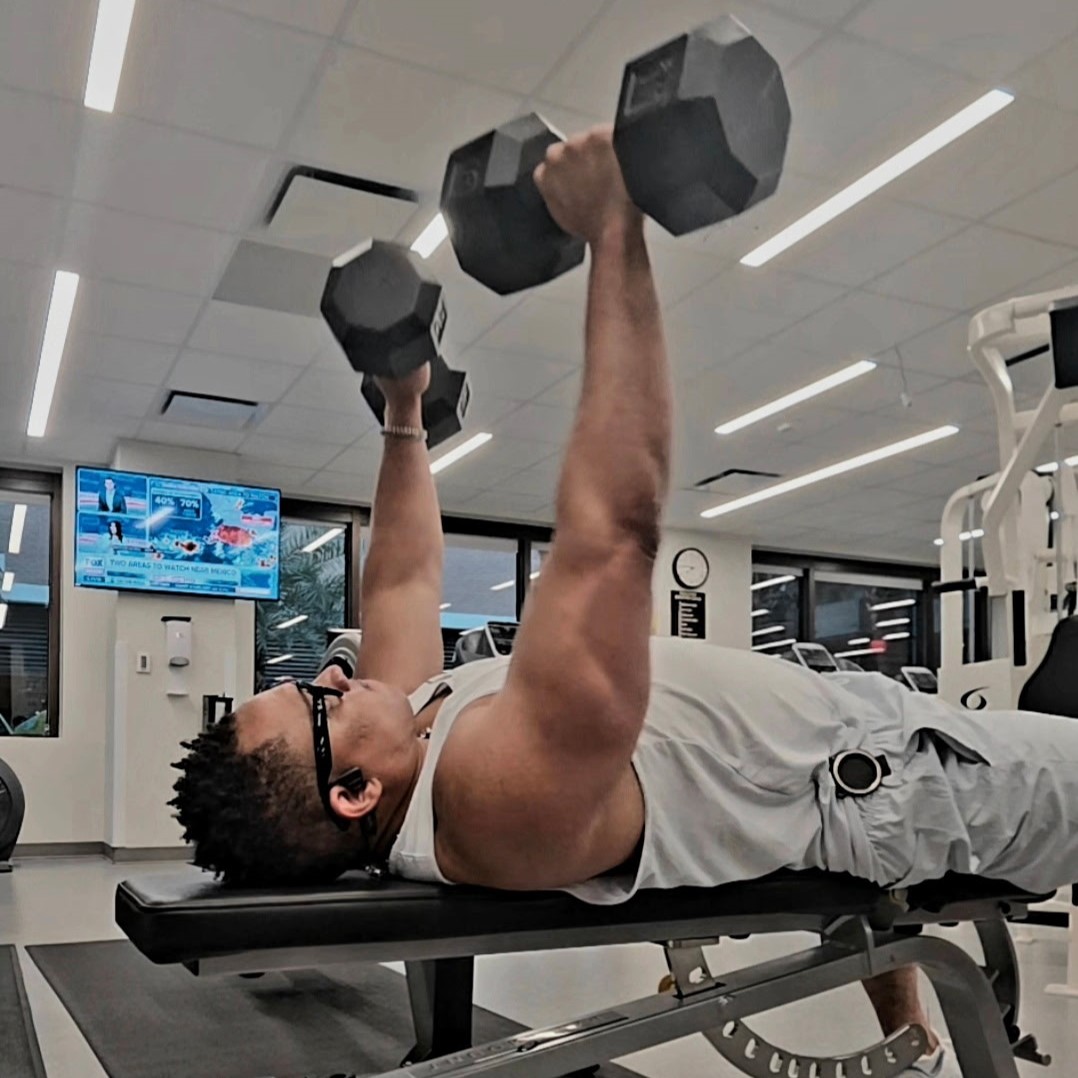
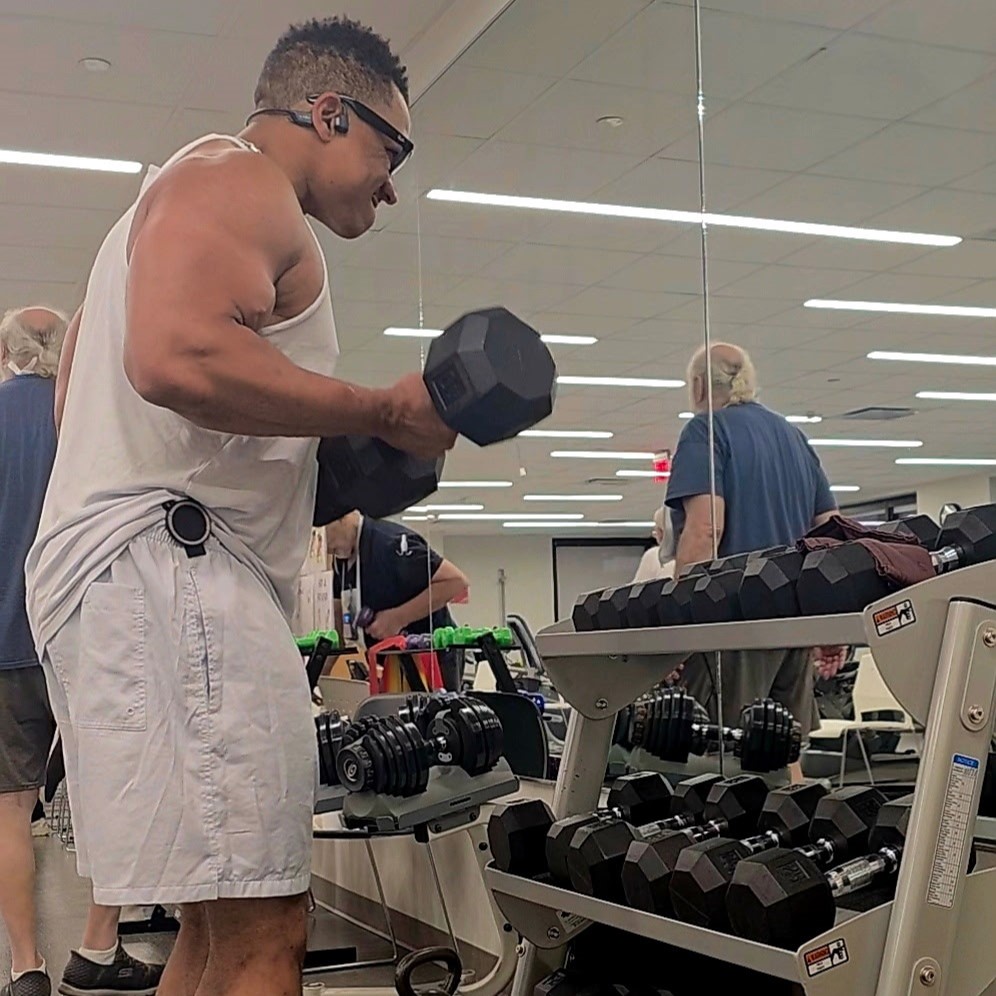
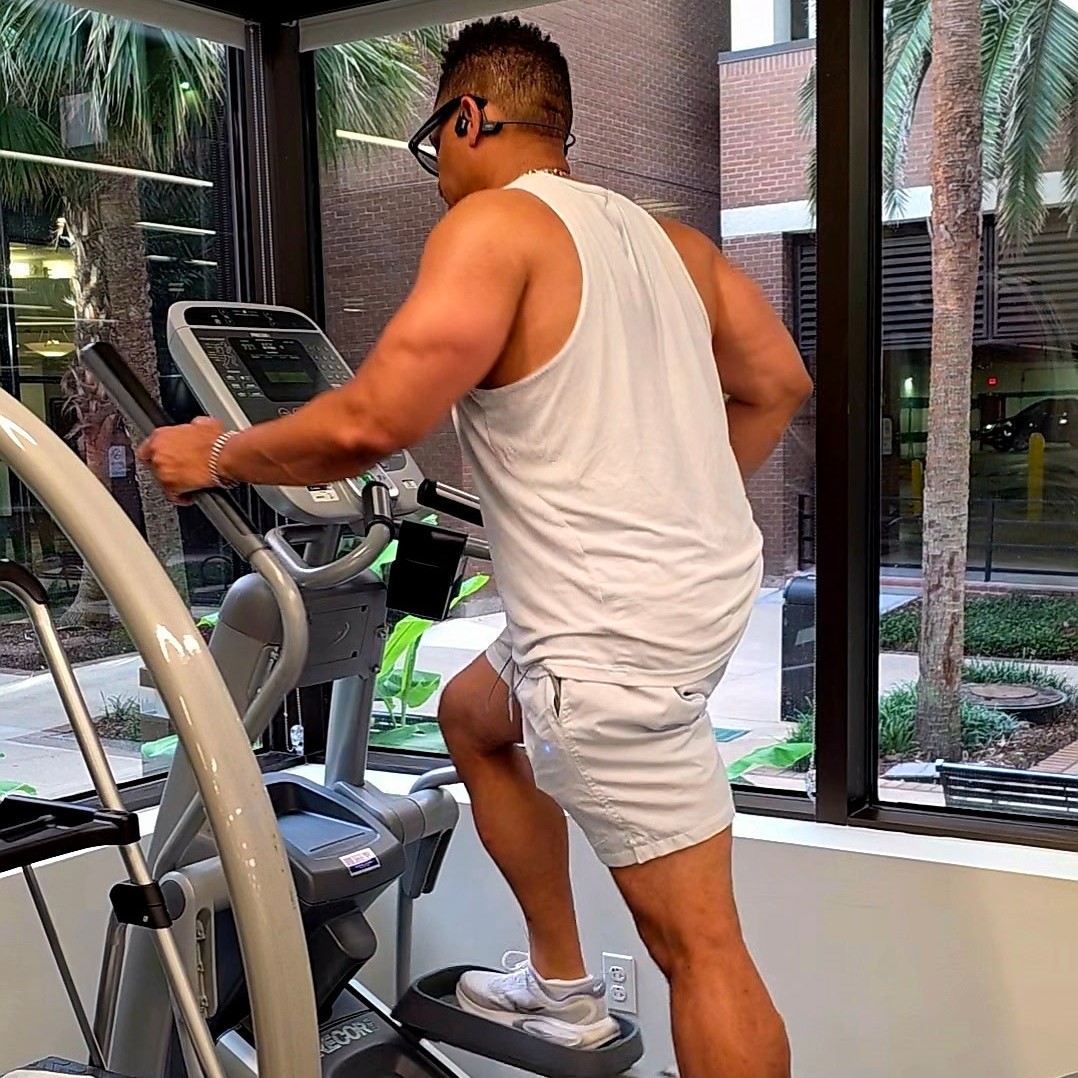
Over 10 weeks, he completed 36 supervised rehabilitation sessions.
Three times each week, clinicians monitored his resting heart rate and blood pressure before exercise. Throughout every session, they carefully tracked how his heart responded to activity while progressively advancing his exercise program.
His workouts included treadmill training, elliptical exercise, stair climbing and strength training.
"They monitor you before, during and after exercise," Kendal said. "It built my confidence."
By the time he graduated from the program, Kendal wasn't simply exercising again—he trusted his body again.
Understanding what normal feels like
Perhaps the biggest benefit wasn't physical. It was mental.
For years, Kendal worried about every sensation and every workout. Cardiac rehabilitation helped him understand the difference between normal exertion and warning signs.
"Cardiac rehab taught me what I'm supposed to feel and what I'm not supposed to feel," he said.
The close monitoring allowed him to see how quickly his heart recovered after exercise and how different activities affected his body.
"When you're monitored that closely, you learn a lot about yourself," he added. "I learned to replace fear with knowledge."
One encounter during rehabilitation remains especially meaningful.
A fellow patient remarked that Kendal didn't appear to belong in cardiac rehab. The comment reflected a common misconception that heart disease only affects older adults or people who appear unhealthy.
A member of the rehabilitation team immediately noticed how the comment affected him. "But rather than dismissing my feelings, she took time to listen," Kendal said. "The fact that she paid attention to me mentally and physically really showed me that great care goes beyond procedures and medications. It means getting to know the patient."
A new perspective
Kendal, journalist and philanthropist, remains active, continues prioritizing his health and is planning new adventures, including a trip to California. In his spare time, he enjoys running his mentoring organization, Blessed 26.
Perhaps most importantly, he no longer sees heart disease as something to hide from. Instead, he is proud to share his story openly.
“Heart disease can affect people who look healthy. It can affect athletes. It can affect people who do everything right,” he said. “The most important diagnostic tool is paying attention to your own body. I saved my own life twice by admitting what I was feeling.”
Today, Kendal hopes his experience encourages others not only to seek care when something feels wrong, but also to take advantage of cardiac rehabilitation if it's recommended. For him, the program did far more than improve his physical endurance—it restored the confidence to live life fully again.
For more information about heart and vascular care at East Jefferson General Hospital in Metairie, La., please visit: https://www.lcmchealth.org/east-jefferson-general-hospital/our-services/heart-vascular-care/
For more information about East Jefferson's Cardiac Rehabilitation Program, please visit: Cardiac Rehabilitation - East Jefferson Hospital Vascular Care