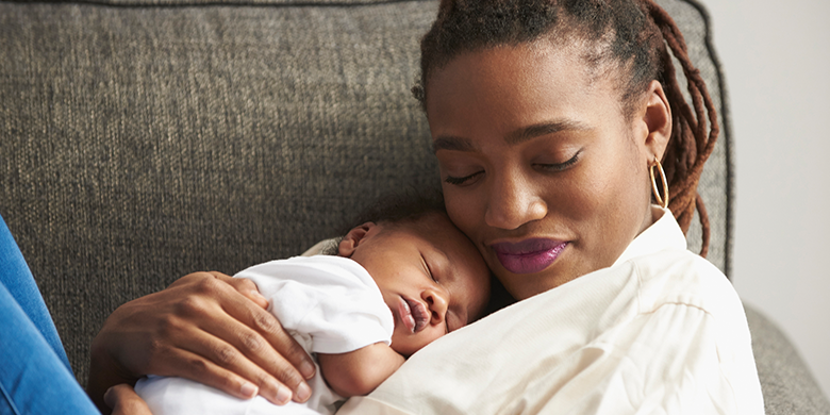
The fourth trimester is the 12-week period immediately after you have had
your baby. Not everyone has heard of it, but every mother and their newborn
baby will go through it. It is a time of great physical and emotional
change as your baby adjusts to being outside the womb, and you adjust
to your new life as a mom. We know your new bundle of joy consumes most
of your time, but it’s important for a new mom to prioritize her
health and wellbeing during this time too.
Learn more about the 4th trimester and how to take care of both mom and
baby during this important time.
There are basic postpartum needs that should be met during the weeks following
delivery: extended rest, nourishing food, and physical and emotional support.
Your body has been through many changes over the last 40 weeks, and it
continues to change weeks after delivery. It’s important to know
what changes to expect and to contact your OB/GYN if you have any unusual symptoms.
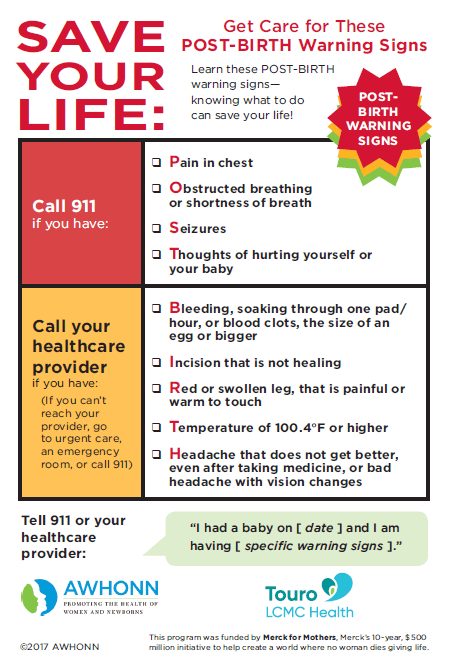
Post birth warning signs
Schedule a post-birth checkup with your OB/GYN and maintain annual wellness
visits with a primary care provider to ensure a healthy recovery.
Family Connects Program
Welcoming home a newborn home is an exciting time, but it can also be challenging.
That's where Family Connects comes in.
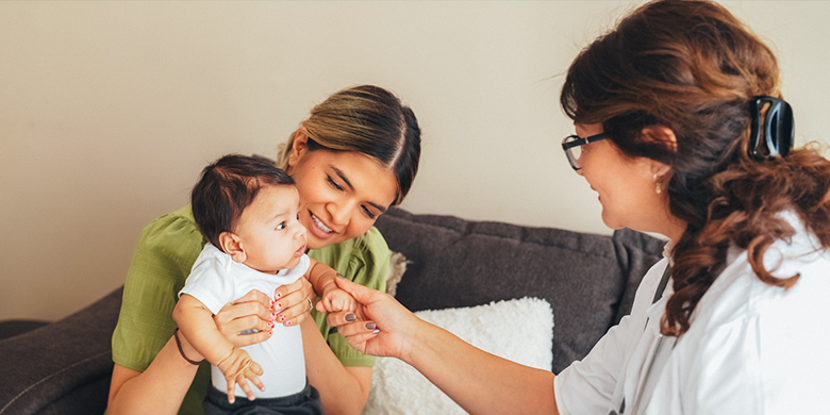
Family Connects New Orleans is a free program offered at Touro that brings in-home support and guidance
directly to you. A highly-trained registered nurse will visit your home,
answer your questions, and connect you with community resources and parenting
groups to help you feel confident and supported in your parenting journey—all
at no additional cost.
The pelvic floor is an interconnected and multitiered team of muscles that
surrounds the lower body openings and also creates a buoyant shelf for
the bladder, uterus, and rectum. Your pelvic floor muscles may weaken
due to pregnancy and vaginal childbirth leading to your bladder and other
pelvic organs sagging out of place. The urethra may also open too easily
and allow urine to leak out. There are exercises that can help you strengthen
your pelvic floor muscles and better support the pelvic organs and control
urine flow.
If you continue to have pelvic floor issues, contact your OB/GYN.
Perinatal mood disorders and perinatal depression
The first few weeks after birth can be exciting, however, this time can
also be very stressful for a woman considering the changes in hormones,
daily routines, and sleeping patterns. It is common for women to feel
sad, overwhelmed, and tearful. Sometimes it is hard to know if you are
experiencing a more serious condition of depression.
Perinatal mood disorders
A medical condition that many women experience after having a baby. It
is characterized by strong feelings of sadness, worry, and tiredness that
last longer than two weeks. These feelings can make it difficult for you
to take care of yourself and baby. It can also occur one to three weeks
after having a baby and treatment is needed to get better. It does not
make you a bad person or a bad mother. Talk to your OB/GYN about how you
are feeling.
Perinatal depression
A mood disorder that can affect women during pregnancy and after childbirth.
It can range from mild to severe. In rare cases, the symptoms are severe
enough for the mother and baby to be at risk. It is characterized by feelings
of extreme sadness, anxiety(worry), and fatigue(tiredness) that may make
it difficult to take carry of yourself and baby. Perinatal Depression
can range from Postpartum Depression to Postpartum Psychosis which is
severe and requires immediate medical attention. Perinatal Depression
does not include “Baby Blues”. Talk to your OB/GYN about how
you are feeling.
If you are experiencing the signs and symptoms of depression, please contact
your OB/GYN for support.
New mom support:
It’s important to remember you are not alone on this journey. The
4th trimester is a challenging time for all new moms, but there are people
and resources available to help. New Mom groups and classes are a great
way to connect with other women experiencing the ups and downs that is
the 4th trimester.

 The fourth trimester is the 12-week period immediately after you have had
your baby. Not everyone has heard of it, but every mother and their newborn
baby will go through it. It is a time of great physical and emotional
change as your baby adjusts to being outside the womb, and you adjust
to your new life as a mom. We know your new bundle of joy consumes most
of your time, but it’s important for a new mom to prioritize her
health and wellbeing during this time too.
The fourth trimester is the 12-week period immediately after you have had
your baby. Not everyone has heard of it, but every mother and their newborn
baby will go through it. It is a time of great physical and emotional
change as your baby adjusts to being outside the womb, and you adjust
to your new life as a mom. We know your new bundle of joy consumes most
of your time, but it’s important for a new mom to prioritize her
health and wellbeing during this time too.

 New mom support: