Breast Cancer Care
LCMC Health Breast Cancer Care
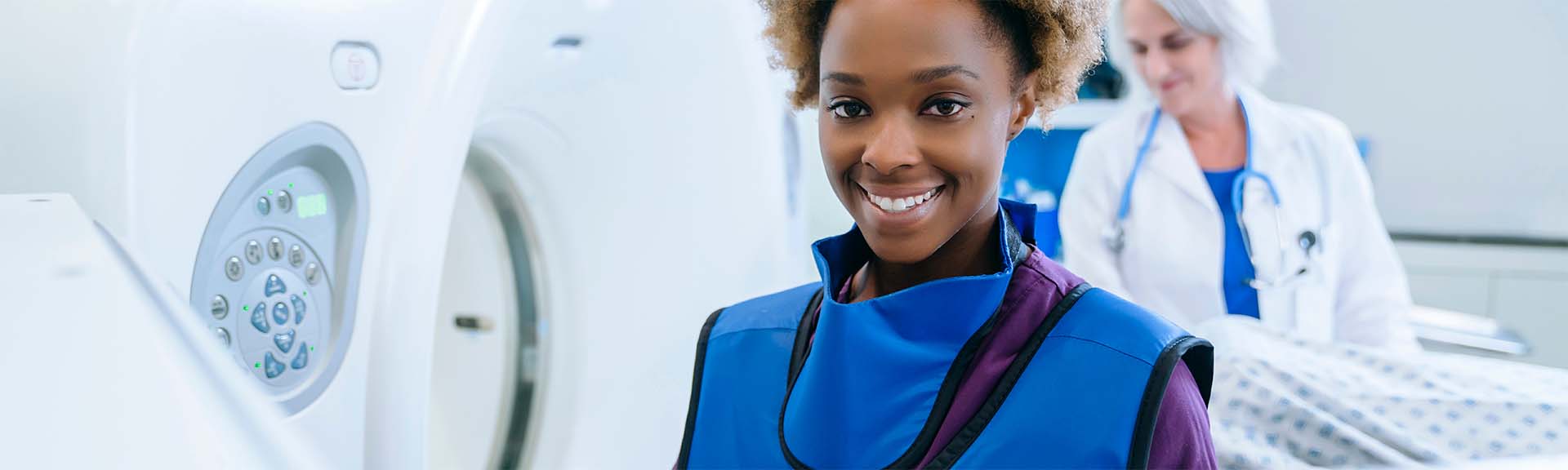
While it may seem like just another errand on your to do list, mammogram exams can be surprisingly quick and easy.
With our state-of-the-art machines, convenient locations, and trained, knowledgeable staff, we strive to make your screening as simple and painless as possible. Some of our locations even offer nurse navigators, who can help make sure your scheduling process and exam runs smoothly.
Did you know you can take simple steps to know your risk and lower your risk for breast cancer? While we can't remove the risk of breast cancer completely, healthy choices make a difference. Together, we can cancel cancer.
Schedule your well-woman appointment todayBreast Check 101
Knowing your body is an important part of maintaining breast health. Performing regular self-checks helps you recognize what’s normal for you—so you can spot any changes early. While self-exams don’t replace mammograms, they’re a great way to stay in tune with your body between screenings. The most important thing about a breast self-exam is getting to know your breasts. If there is anything that strikes you as weird or not "your" normal, see a doctor right away!
Here’s a simple guide to help you perform a breast self-exam at home.
Mammograms and your breast health
No two women are the same. Their treatment plans shouldn’t be either. At LCMC Health we provide a collaborative and comprehensive approach to care. Our focus on prevention, treatment, and survivorship, ensures that the women in our community receive the best care possible.
Getting a mammogram is one of the most important steps you can take to stay ahead of breast cancer. Early detection is key, and a mammogram can detect breast cancer long before any symptoms can appear. By staying ahead of the game and scheduling your mammogram today, you're taking control of your health and ensuring that you catch any potential problems early on. This means you have a much higher chance of successful treatment and recovery.
Get screened
Because cancerous cells may be present in the body well before the onset of symptoms, regular screenings afford the best chance of catching cancer at its most treatable stage. Screenings are typically scheduled by age, but doctors may recommend earlier screenings for certain cancers based on family history, lifestyle, and environmental factors.
View screenings scheduled for the month, as well as cancer awareness initiatives, support groups, educational seminars, and more.
Have questions about scheduling your appointment online? Call one of our locations near you. See the full list below.
-

Metairie, LA 70006
504.503.6289 More information -
Covington, LA 70433
985.867.3800 More information -
New Orleans, LA 70127
504.592.6577 More information -
Metairie, LA 70001
504.832.4033 More information -
New Orleans, LA 70115
504.897.8600 More information -
New Orleans, LA 70115
504.897.8885 More information -
New Orleans, LA 70115
504.210.4337 More information -
New Orleans, LA 70112
504.702.3000 More information -
Marrero, LA 70072
504.349.6300 More information
-
-
-
-
-
-
-
-
-
-
-
-
-
-
-
-
-
-
-
-
-
-
-
-
-
-
-
-
-
-
-
-
-
-
-
-
-
-
-
-
-
-
-
-
-
-
-
-
-
-
-
-
-
-
-
-
-
-
-
-
-
-
-
-
-
-
-
-
-
-
-
-
-
-
-
-
-
-
-
-
-
-
-
-
-
-
-
-
-
-
-
-
-
-
-
-
-
-
-
-










































-
Every October advocates nationwide work to increase breast cancer awareness and promote breast cancer research. You can support the cause by wearing ...
Continue Reading -
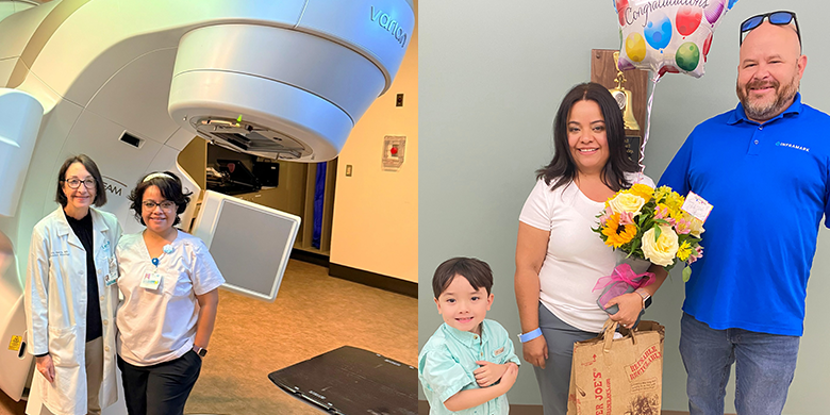
Claudia Chiasson, now 47, began working at Touro in 2023, doing the work she loves. As an oncology radiation therapist, she prides herself on putting ...
Continue Reading -
The American Cancer Society estimates that more than 2 million new cases of cancer will be diagnosed in the U.S. in 2024. A cancer prevention strategy ...
Continue Reading -
At your last checkup, your primary care provider recommended you schedule a breast cancer screening this year. You know you need regular cancer ...
Continue Reading -
It’s that time of year—time for your annual mammogram. Whether you’ve “been there, done that” or are approaching your first screening, we’ve got some ...
Continue Reading -
You probably know the most important things in your life like the back of your hand—your loved ones, your job, maybe even New Orleans itself. But does ...
Continue Reading -
Taking time each month to check in with your body is one of the simplest ways to stay proactive about your health. Think of your breast check as a ...
Continue Reading